Understanding the Adolescent Brain: How TMSOE Nurtures Our Middle Schoolers
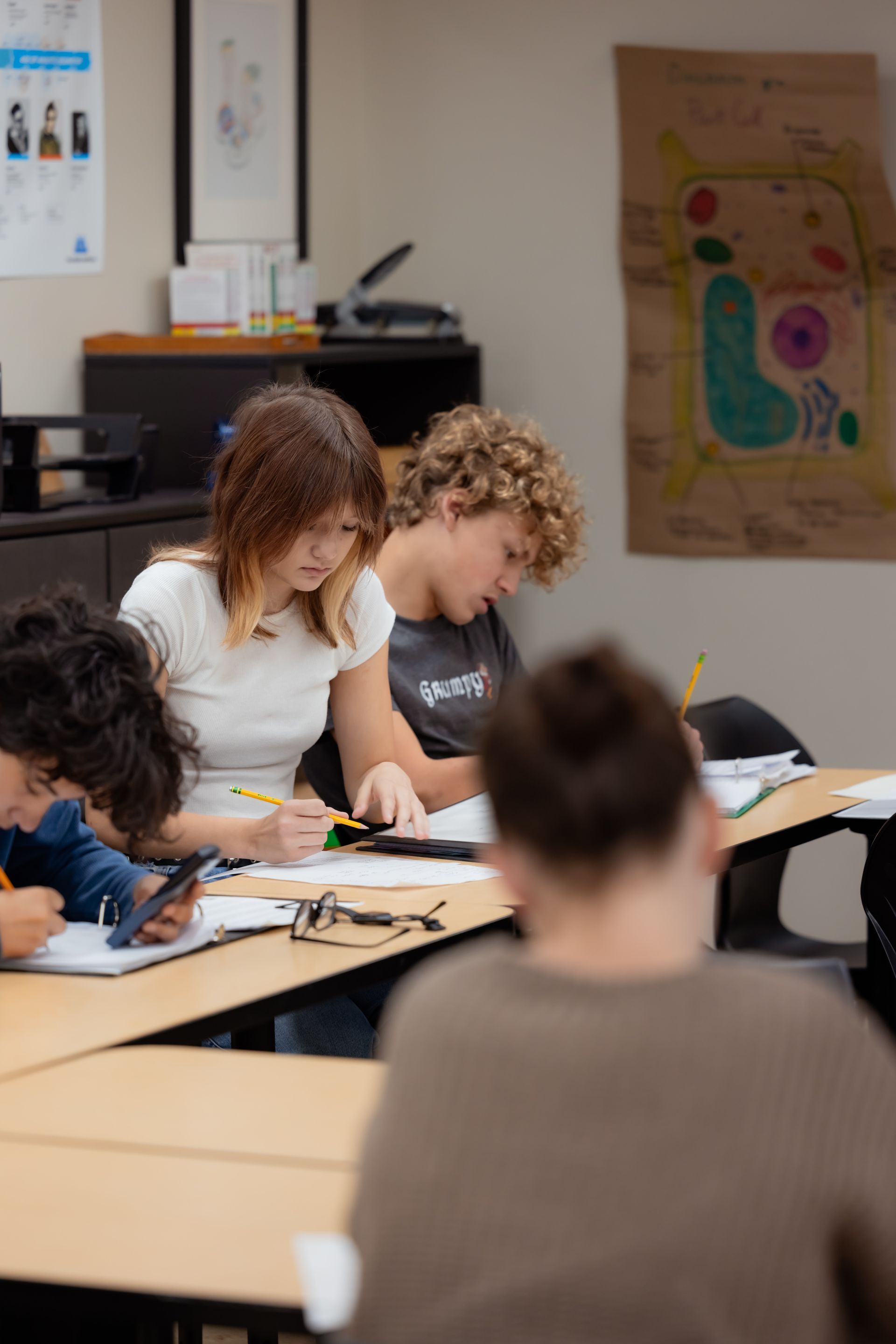
Adolescence is a time of incredible power, potential, and transformation. When young people are provided with a supportive environment that honors their developing abilities, they begin to recognize their own limitless possibilities.
In her book The Teenage Brain: A Neuroscientist’s Survival Guide to Raising Adolescents and Young Adults, Dr. Frances E. Jensen offers a memorable analogy:
“...the teenage brain is almost like a brand-new Ferrari: it’s primed and pumped, but it hasn’t been road tested yet. In other words, it’s all revved up but doesn’t quite know where to go.”
To best guide our Middle School students (ages 12 to 14) who are primed to move forward but still finding their direction, we must understand the unique developmental needs of the teenage brain—and structure our school and home environments to support them.
A Time of Deep Physical and Psychological Transformation
Dr. Maria Montessori observed that early adolescence (ages 12 to 15) brings a level of physical, emotional, and cognitive reconstruction comparable only to the rapid growth of the zero-to-three period. Adolescents are actively transforming into the adults they will become.
This transition brings dramatic bodily changes, heightened sensitivity, and shifting sleep requirements. As Dr. Jensen notes, the adolescent brain experiences an increased response to stress. Teens do not yet possess the same stress tolerance as adults, making them more vulnerable to stress-induced physical symptoms, anxiety, and emotional fatigue.
Just as a caterpillar needs a chrysalis to undergo metamorphosis, adolescents require a safe, protective space for this profound personal reconstruction.
Neural Rewiring and Emotional Needs
Behind the scenes, the adolescent brain is actively pruning unused neural pathways while strengthening others through a process called myelination. During this major overhaul, the brain relies heavily on the emotional center (the limbic system) while the prefrontal cortex—which governs impulse control, working memory, and long-term planning—is still under construction.
Because executive functioning is temporarily diminished, adolescents may experience:
- Difficulty concentrating or staying organized.
- Decisions driven by strong, immediate emotions rather than logic.
- High sensitivity to peer perception and social acceptance.
- Difficulty reading adult facial expressions, leading them to misinterpret neutral responses as critical.
To balance these emotional waves, Middle Schoolers need daily opportunities for personal self-reflection paired with positive peer connection. They also thrive when provided with creative and physical outlets—such as writing, visual arts, music, movement, and sports—that help release endorphins, balance hormones, and channel intense feelings constructively.
Balancing "Heads, Hands, and Hearts"
At TMSOE, we honor Maria Montessori’s vision for the adolescent (traditionally called the Erdkinder, or land-child framework) by intentionally balancing intellectual work with practical, hands-on labor.
Integrating work of the hand with work of the head helps young people find internal equilibrium. Adolescents crave opportunities to apply their academic learning to real-world context—whether that involves tending to community garden spaces, building practical projects, managing enterprise micro-businesses, or engaging in local neighborhood service.
Valorization: The Need to Feel Valued and Capable
Because early adolescence is a time of vulnerability, young people deeply need dignity, respect, and a sense of purpose. They want to know that their presence matters and that their contributions carry real weight.
In Montessori terminology, when an adolescent completes meaningful work that serves their community and receives authentic recognition from peers and adults, they experience valorization. This realization—“I am capable, I am useful, and my community needs me”—builds genuine self-confidence and resilience.
Giving students choices in how, when, and where they complete their work further empowers them to practice self-regulation and make constructive decisions.
The Role of Adults: Coaching Side-by-Side
During these years, the role of parents and educators shifts from direct instruction to supportive coaching. Middle Schoolers often view unsolicited lectures as infantilizing, even when delivered gently.
Instead, adolescents flourish when adults work side-by-side with them. Collaborating on authentic tasks—preparing a shared meal, building a project, or organizing an event—creates natural opportunities to share wisdom, teach skills, and offer guidance without sparking defensiveness.
This side-by-side approach aligns with our commitment to restorative justice and social responsibility. While elementary children are focused on basic fairness, adolescents naturally grapple with deeper concepts of social, economic, and restorative justice. By engaging them as real partners in maintaining peace and resolving conflicts, we help them develop a mature sense of personal dignity and civic responsibility.
Partnering for Our Middle Schoolers
Adolescence is not a phase to merely "survive"—it is a foundational period of human growth filled with creative energy and idealism. By offering our Middle Schoolers patience, structured choices, physical movement, and real responsibility, we help them harness their power and step confidently toward adulthood.
To learn more about TMSOE’s Middle School program or how we integrate Montessori principles into adolescent learning,
reach out to our team at The Montessori School of Englewood.