How Your Child Learns Without Effort: Understanding the Absorbent Mind
Have you ever wondered how your young child seems to pick up complex skills without direct instruction? One day, they suddenly begin speaking in full sentences, walking with steady confidence, or mirroring your everyday gestures with astonishing accuracy.
Dr. Maria Montessori described this extraordinary early learning power as the Absorbent Mind—a unique mental capacity present during a child's first six years of life.
At The Montessori School of Englewood (TMSOE), we design our tuition-free public classrooms around this incredible developmental window. By understanding how the Absorbent Mind works, parents and educators can work together as true partners to support every child's growth from the inside out.
The Absorbent Mind vs. the Adult Mind
The way a young child’s mind works is fundamentally different from an adult’s.
As adults, we learn through conscious effort. We study, analyze, repeat, and practice. Young children, on the other hand, absorb knowledge directly from their surroundings effortlessly and continuously.
During early childhood, neural plasticity is at its peak. The young child’s mind takes in every experience without judgment. It is a creative, unconscious force that builds the child's internal foundation. Impressions from their environment do not simply sit in a child's memory—they become part of who they are.
To illustrate this difference, Dr. Montessori compared the child’s mind to a camera and the adult’s to a painter:
"Adults admire their environment; they can remember it and think about it; but the child absorbs it. The things he sees are not just remembered; they form part of his soul. He incarnates in himself all in the world about him that his eyes see and his ears hear."
— Dr. Maria Montessori, The Absorbent Mind
- The Adult Mind (The Painter): Chooses what to focus on, filters out background noise, and interprets the scene before painting it.
- The Child’s Mind (The Camera): Captures the whole picture all at once—every detail, whether harmonious or chaotic.
Because young children cannot filter out negative or stressful impressions, everything in their environment—language, tone of voice, body language, emotional warmth, and physical surroundings—shapes how they construct their view of the world and themselves.
Key Characteristics of the Absorbent Mind
The Absorbent Mind is a biologically timed stage of development. It begins at birth and naturally transitions around age six. During these early years, a child’s mind is like rich, fertile soil.
Several key characteristics define this stage:
- Totality of Impressions: Children absorb not just words and actions, but also unspoken emotional atmospheres, social dynamics, and cultural rhythms.
- Lack of Discrimination: A young child’s mind absorbs good and bad impressions alike. A calm, peaceful, and trauma-informed environment helps ensure children absorb security and confidence.
- Guided by Sensitive Periods: Children pass through natural developmental windows where they are intensely drawn to specific skills, such as language, spatial order, coordinated movement, and social connection.
- Aids Adaptation: Through absorption, children adapt naturally to their specific family, community, and culture without needing formal lectures.
The Two Phases: Unconscious and Conscious
Montessori recognized two distinct phases within the first six years of growth:
1. The Unconscious Absorbent Mind (Birth to 3 Years)
During these initial years, children absorb impressions completely unconsciously. Nature acts as their inner teacher, driving them to touch, move, listen, and explore. At this stage, adults cannot force academic learning; our role is to prepare a safe, rich environment and support their natural drive to explore.
2. The Conscious Absorbent Mind (3 to 6 Years / Primary & Head Start)
From ages three to six—the core of our Primary and Head Start programs at TMSOE—children begin to consciously order and classify what they previously absorbed.
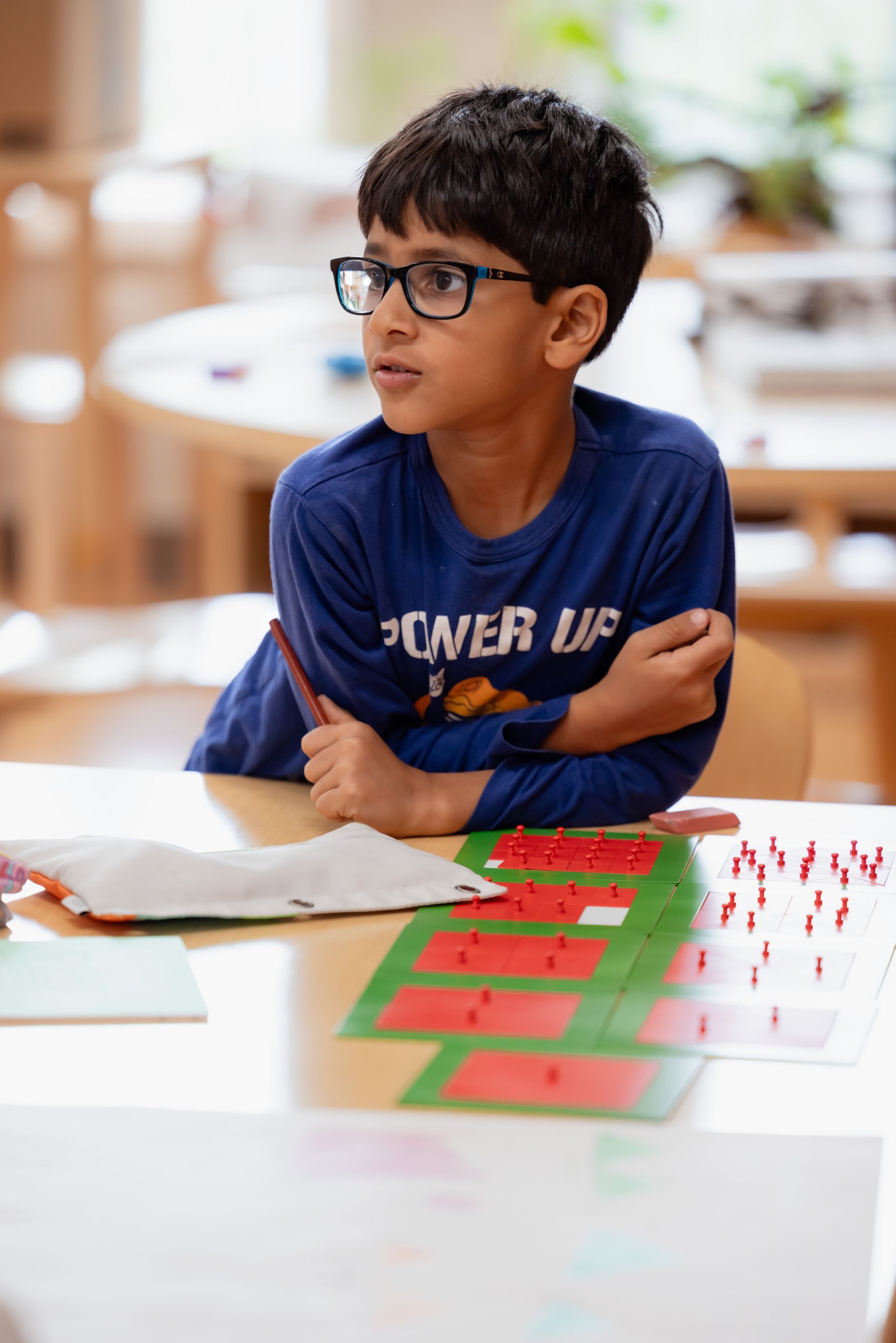
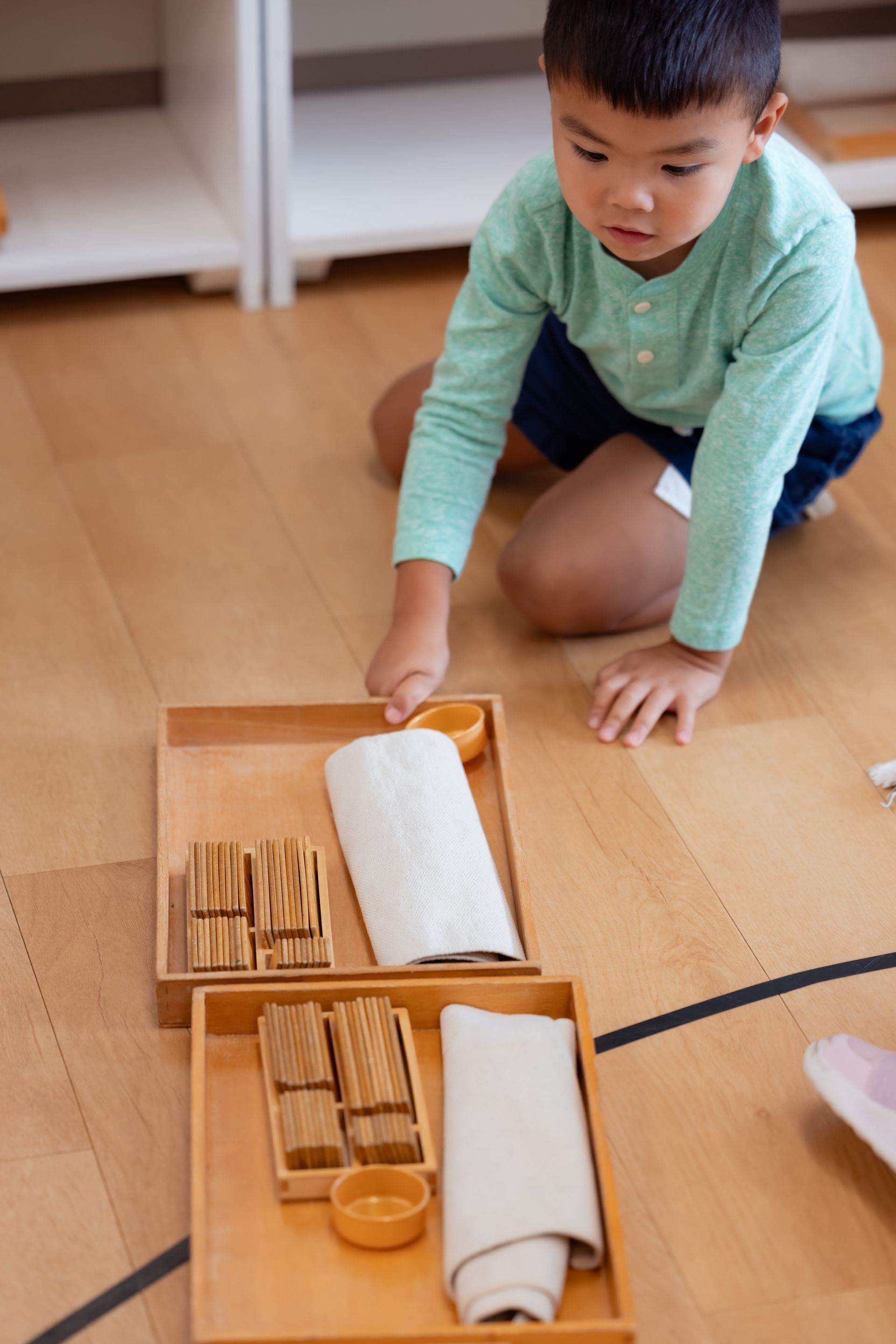
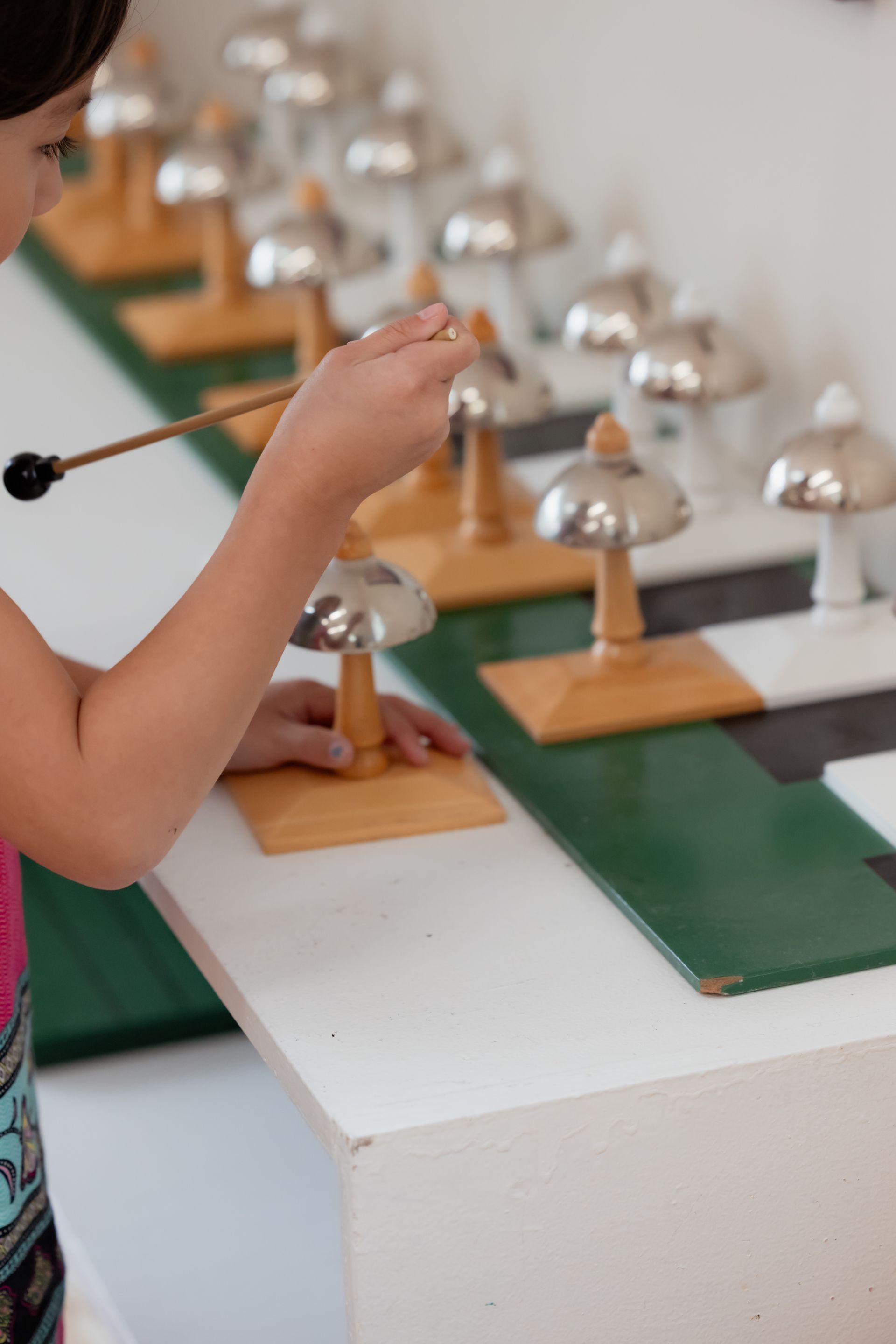
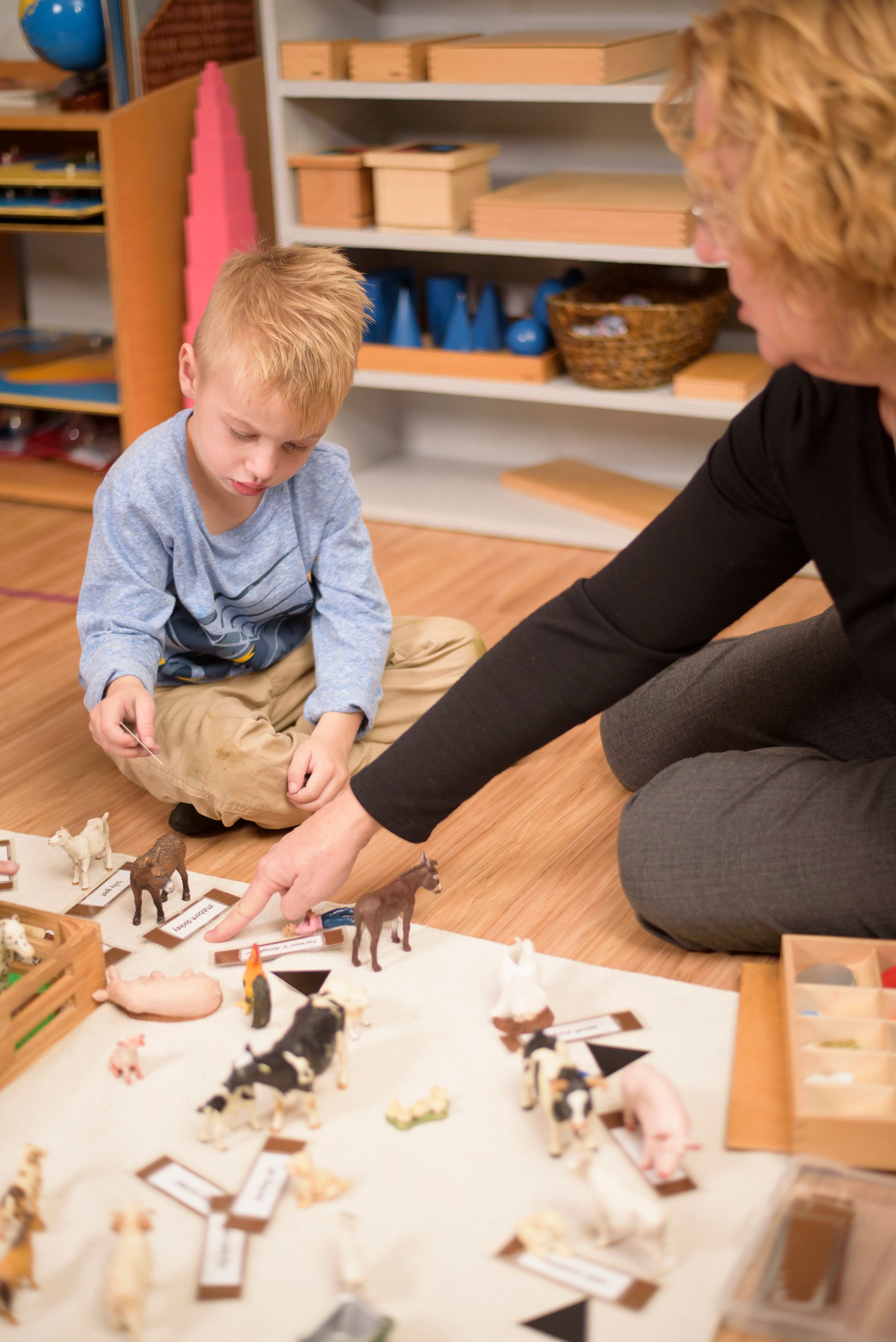
This is when children seek clarity. Our hands-on Montessori sensorial materials give children concrete tools to sort, compare, measure, and understand their world. During this phase, children refine their fine-motor movement, develop intentional concentration, strengthening their independence through real-world tasks.
Constructing the Whole Child: Head, Hands, and Heart
The Absorbent Mind serves two major functions: construction and adaptation.
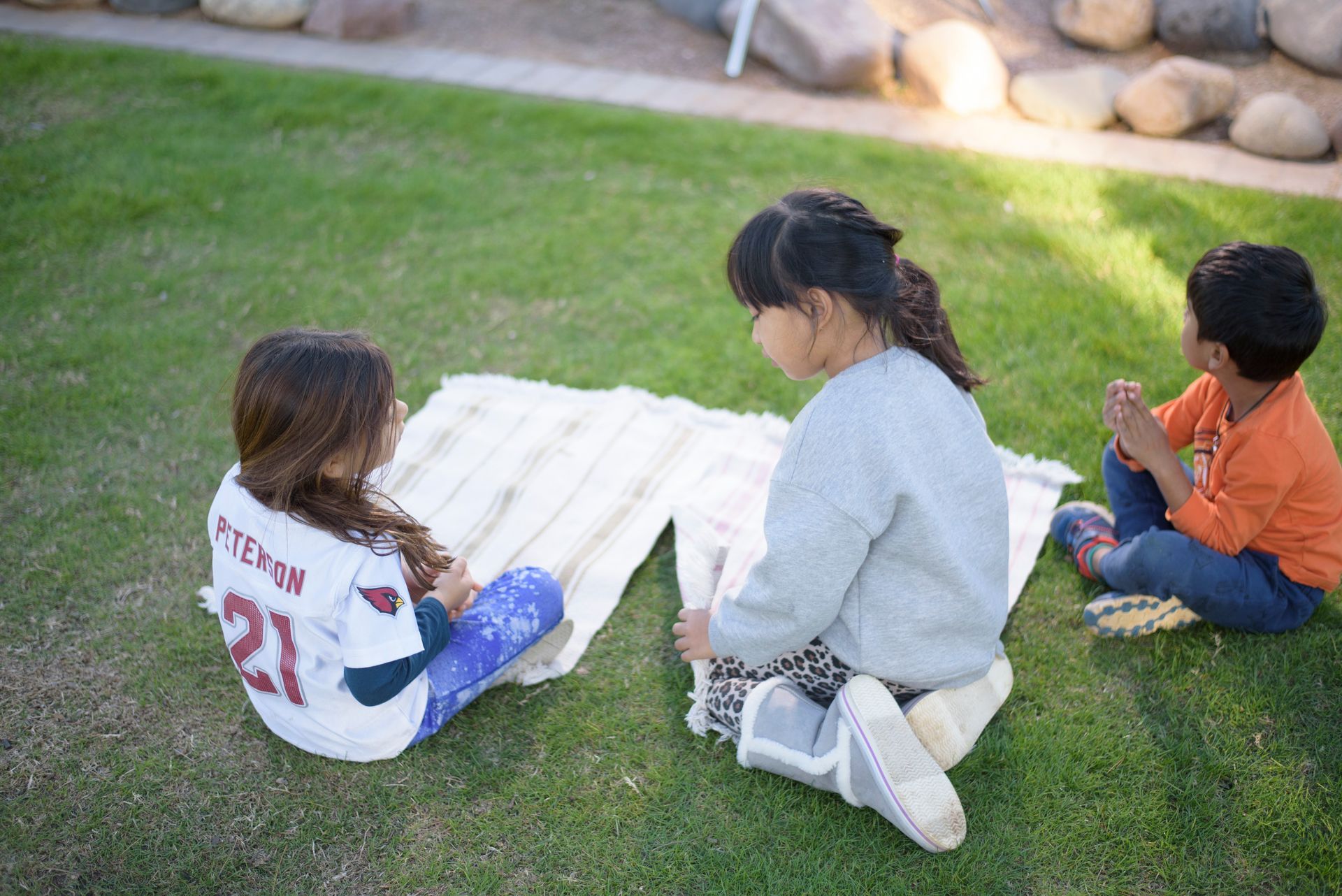
It builds the foundation of a child's character, intelligence, and agency, while helping them feel a deep sense of belonging within their community. Children naturally absorb how to hold a tool, greet a neighbor, resolve a conflict, and move with grace.
At TMSOE, we believe in bringing Montessori back to its roots: serving as a tool for equity, community empowerment, and social justice. Because children absorb the social and emotional climate around them, we ensure our learning environments are:
- Culturally Responsive: Reflecting and honoring the rich identity of our West Englewood community.
- Trauma-Informed & Restorative: Fostering peace, emotional safety, and mutual respect.
- Hands-On & Experiential: Engaging the child’s whole self—heads, hands, and hearts.
Supporting the Absorbent Mind at Home
Parents are a child's very first teachers, and the home is their first prepared environment. You do not need expensive materials to nurture your child's absorbent mind. Small, intentional choices at home make a lasting impact:
- Create Simple Order: Keep toys and daily routines organized and predictable. External order helps young children build internal mental clarity.
- Speak with Intentionality: Use rich, clear, and respectful language. The tone and vocabulary you use today become your child’s internal self-talk tomorrow.
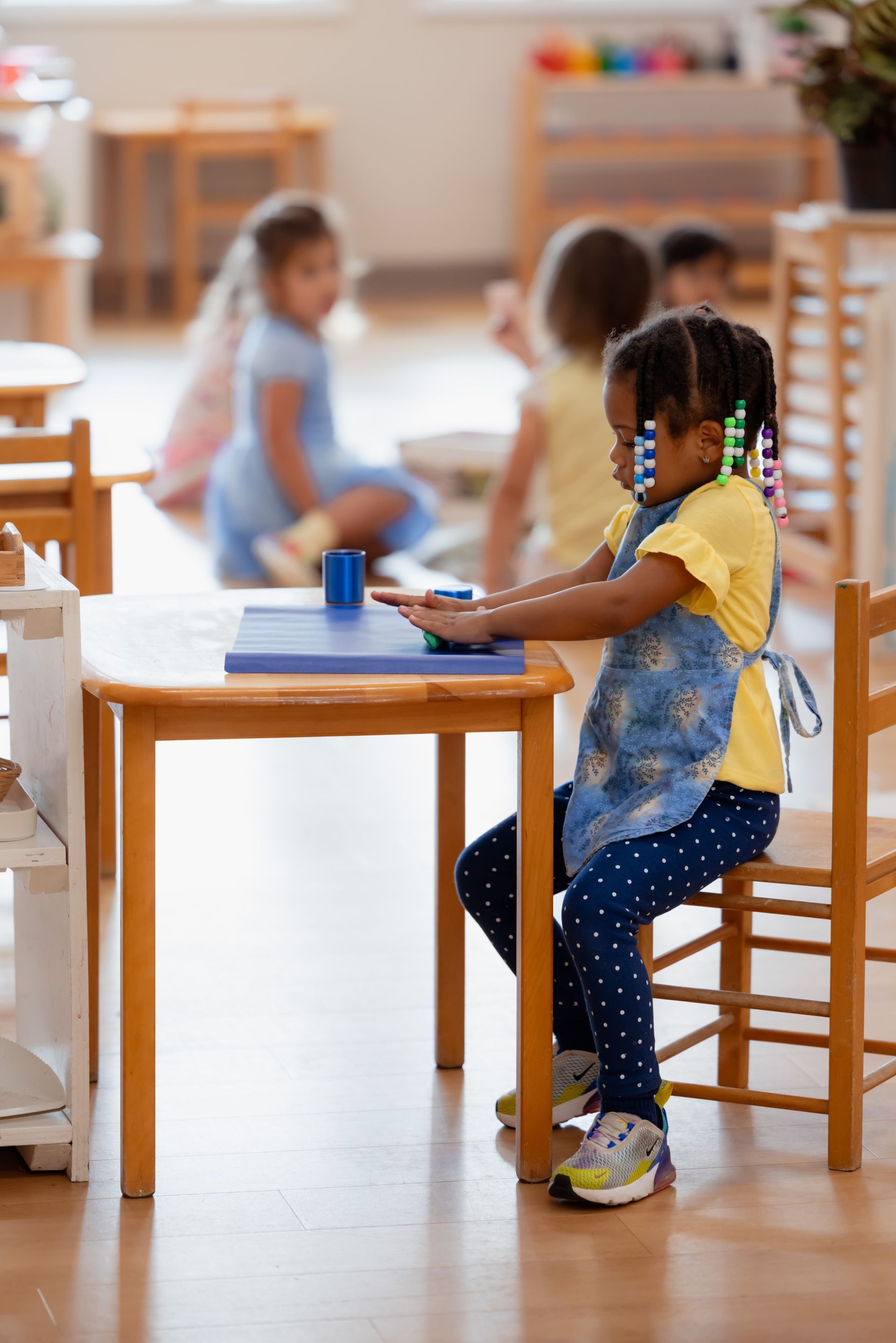
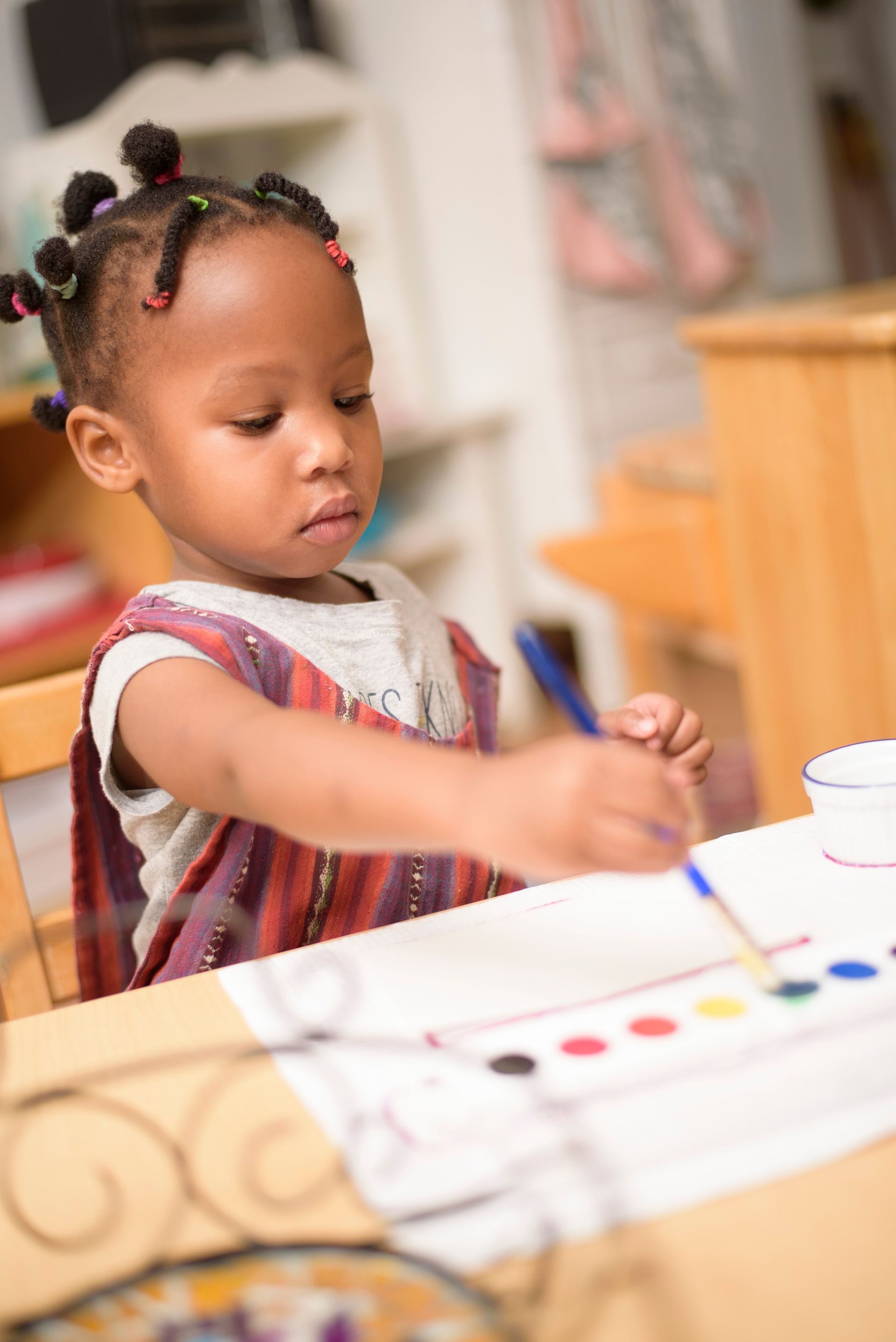
- Invite Real Participation: Encourage independence by letting your child help with meaningful daily tasks—pouring water, folding laundry, setting the table, or dressing themselves.
- Cultivate a Peaceful Atmosphere: Children absorb emotional warmth just as quickly as spoken words. Modeling patience, grace, and restorative problem-solving teaches children how to navigate their own feelings.
Experience Public Montessori at TMSOE
Every child is born with this incredible capacity to learn and adapt. At The Montessori School of Englewood, we are proud to offer a high-quality, tuition-free public Montessori education that honors this natural developmental power for children ages 3 through 14.
We invite Chicago families to see our classrooms in action!
Schedule a school tour to learn more about our open-enrollment process for the upcoming school year.