Returning to the Roots: The History of Montessori Education
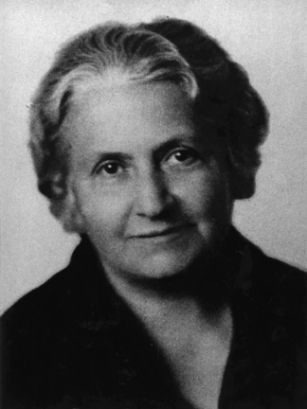
Have you ever wondered how the Montessori method got its start? You likely know the educational model is named after its founder, but the true beginnings of this approach are deeply aligned with mission-driven work, equity, and access.
At The Montessori School of Englewood (TMSOE), understanding Maria Montessori’s original vision is central to our work. We believe in bringing Montessori back to its roots: serving historically underserved communities, breaking down systemic barriers, and offering a free, world-class education to children in West Englewood and surrounding Chicago neighborhoods.
Here is a look back at the history of Dr. Maria Montessori and how her legacy lives on at TMSOE today.
A Trailblazing Pioneer
Dr. Maria Montessori was born in Italy on August 31, 1870. An exceptional student, she boldly decided to study medicine at the University of Rome—a path nearly unheard of for women at the time. Despite facing significant systemic barriers and discrimination, she persevered, becoming one of Italy’s first female physicians.
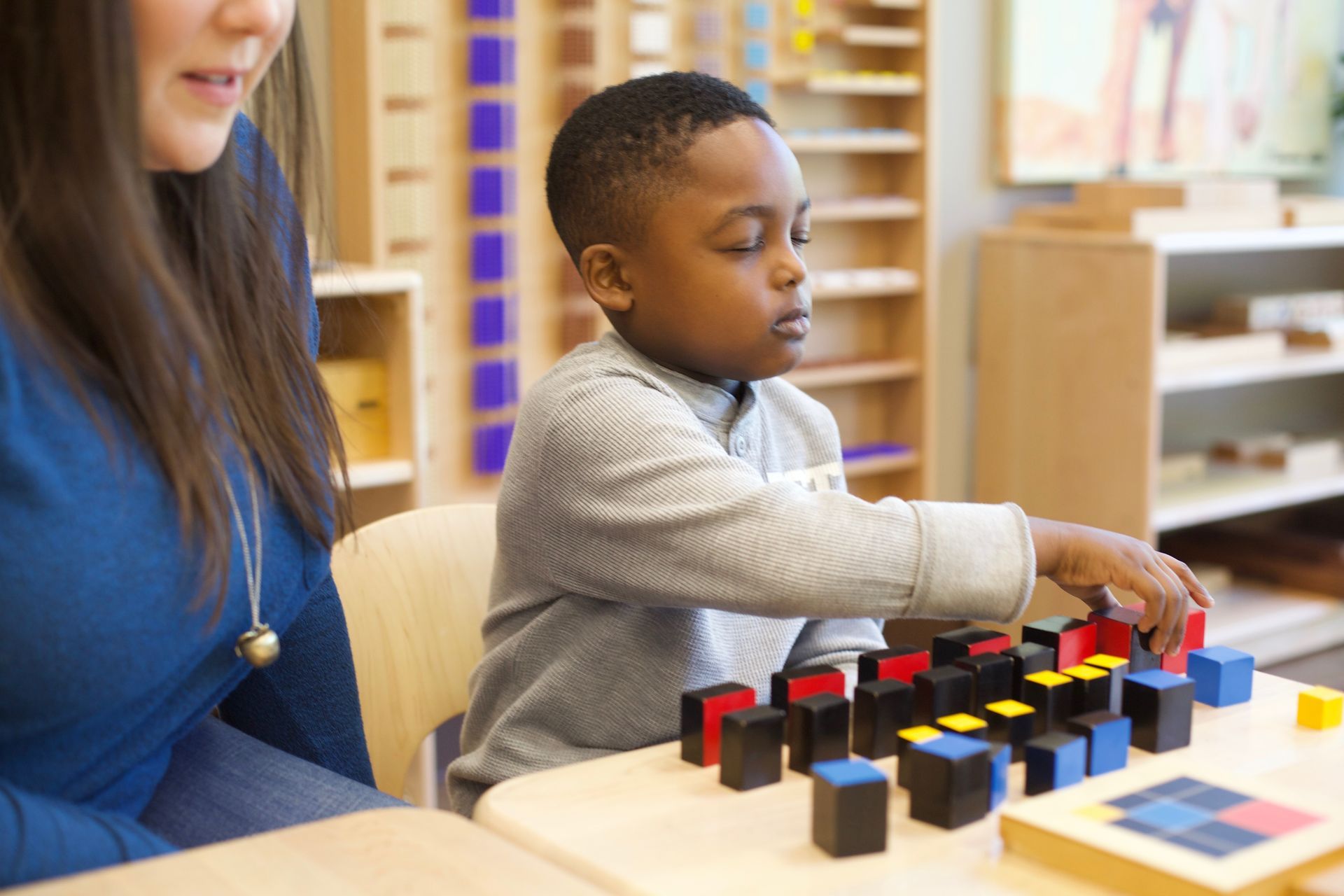
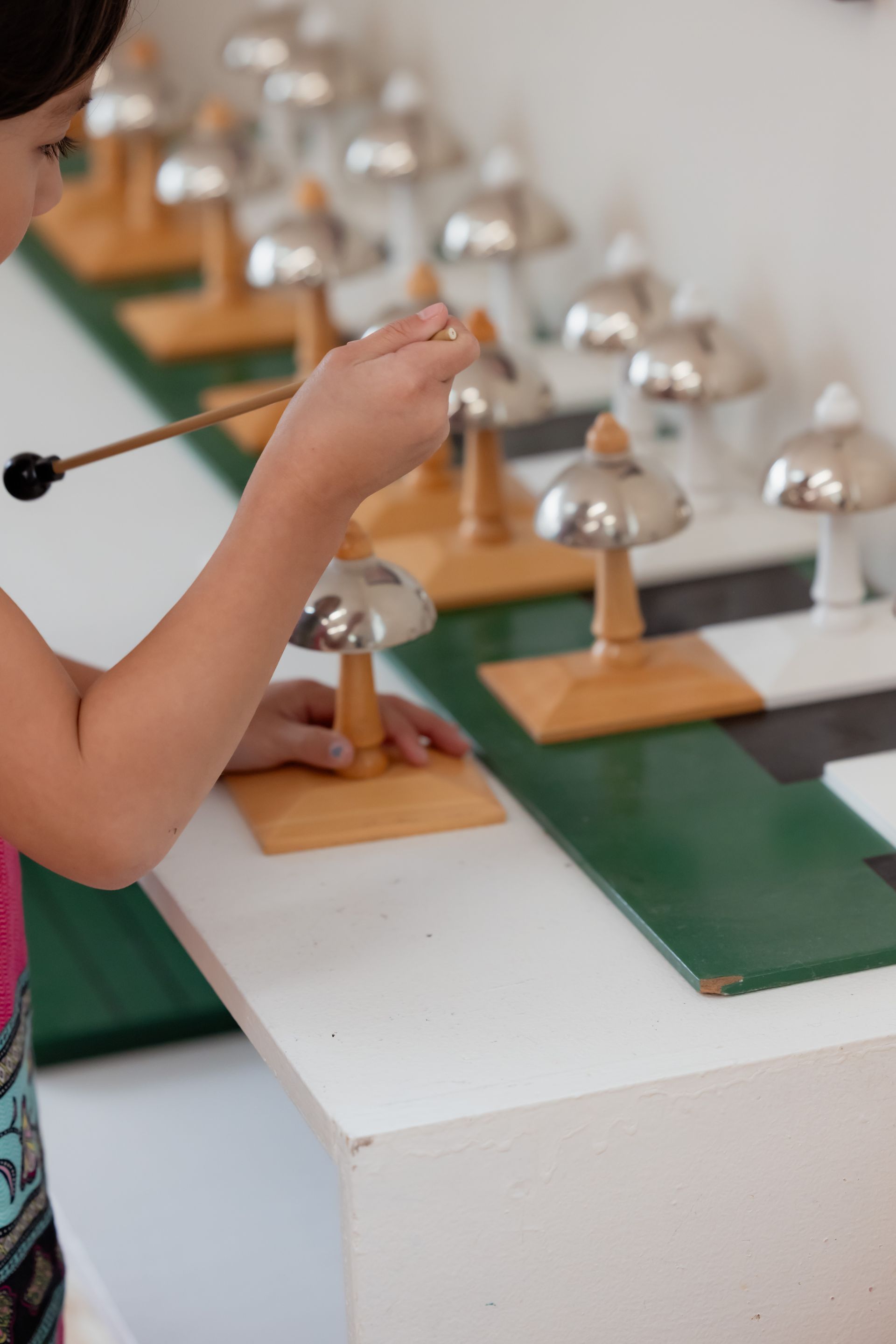
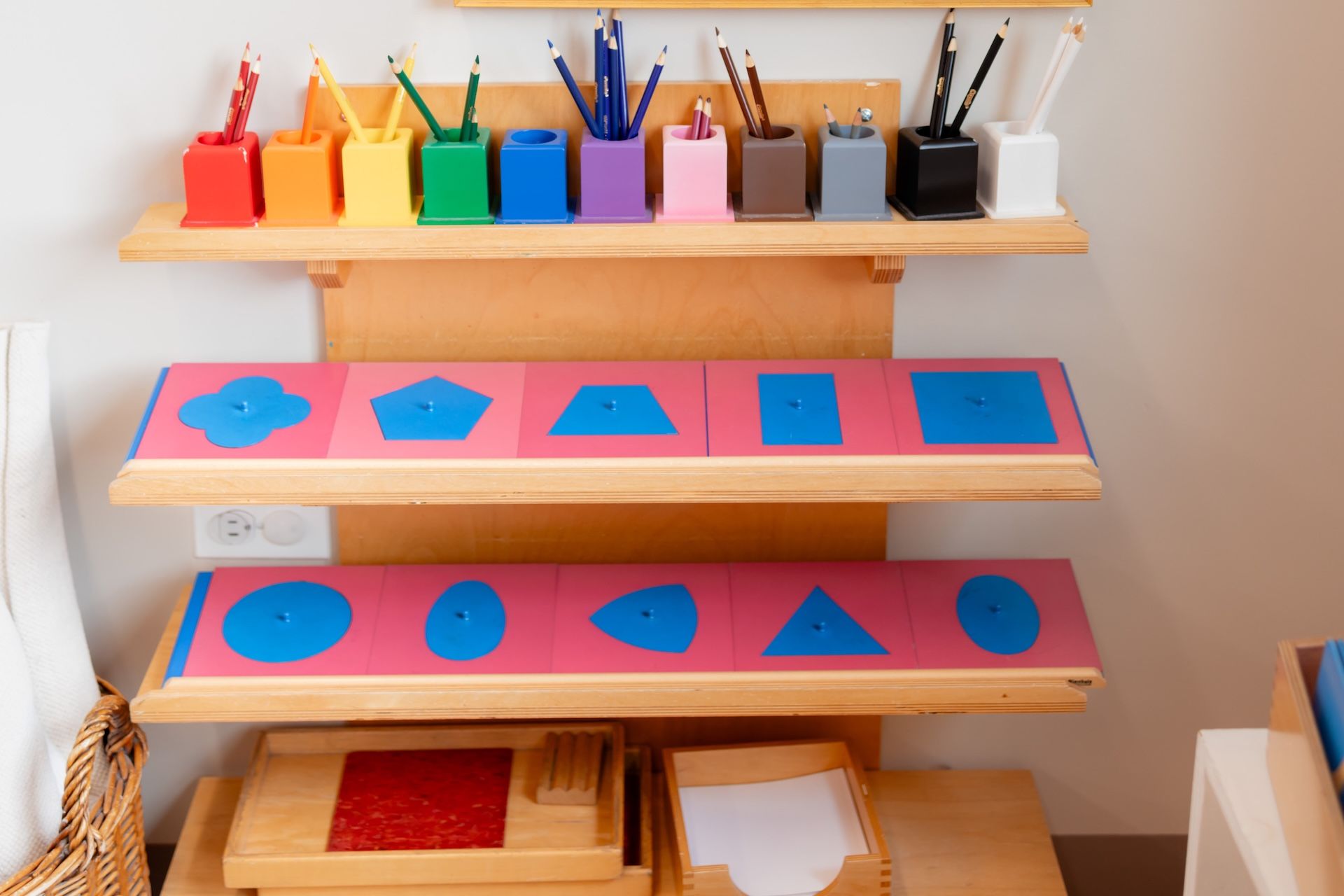
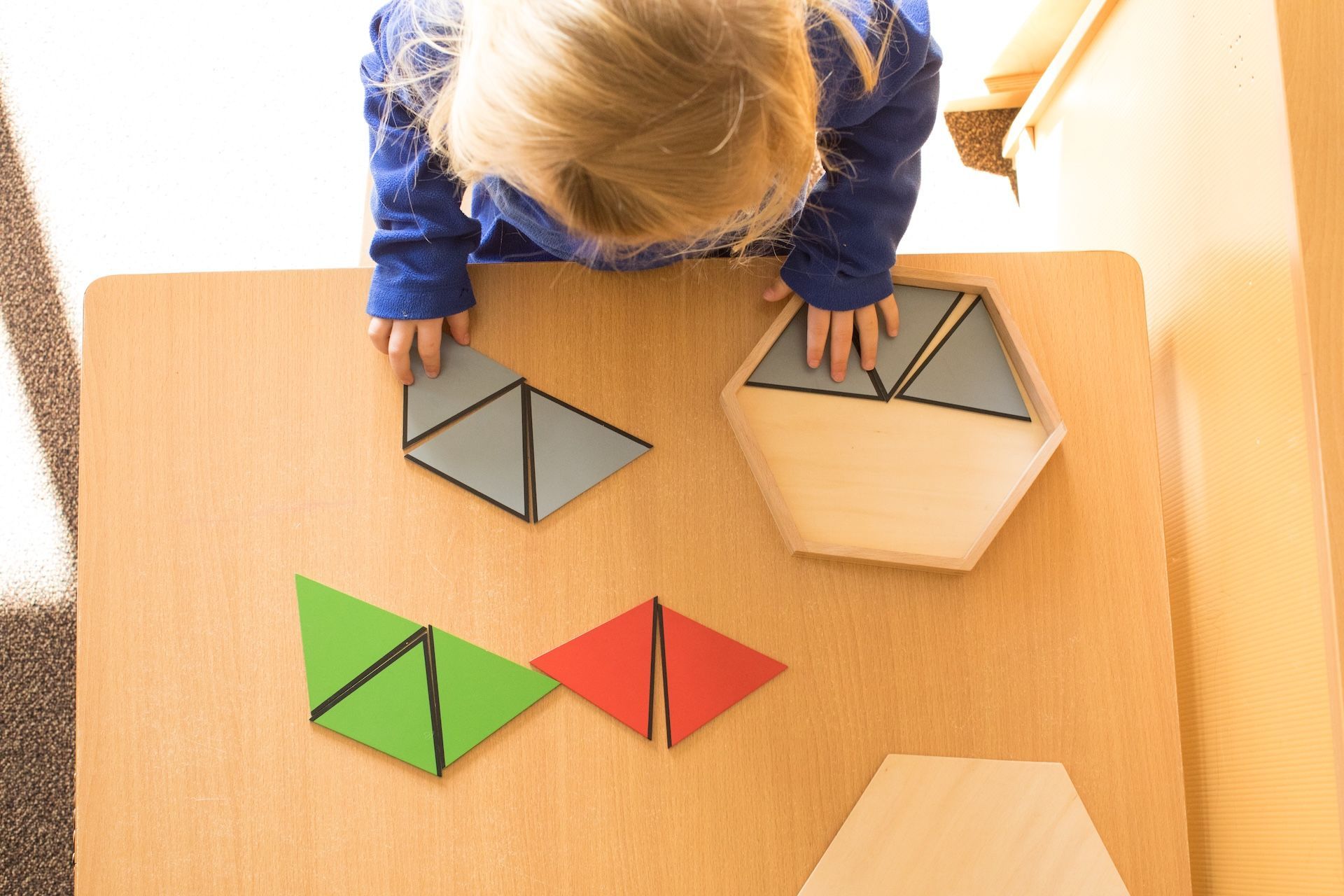
Her medical career led her to work in pediatric psychiatry. In this setting, she cared for children with cognitive disabilities who were often dismissed by society as incapable of meaningful learning. Dr. Montessori saw things differently. Recognizing their immense potential, she became a fierce advocate for these children and began designing sensory-rich learning materials—the direct precursors to the Montessori materials used in our Primary and Elementary classrooms today.
Casa dei Bambini: Rooted in Community and Equity
The true breakthrough of the Montessori movement occurred in 1907, when Dr. Montessori opened her first child care center in San Lorenzo, a low-income neighborhood in Rome. She named it Casa dei Bambini ("Children’s House").
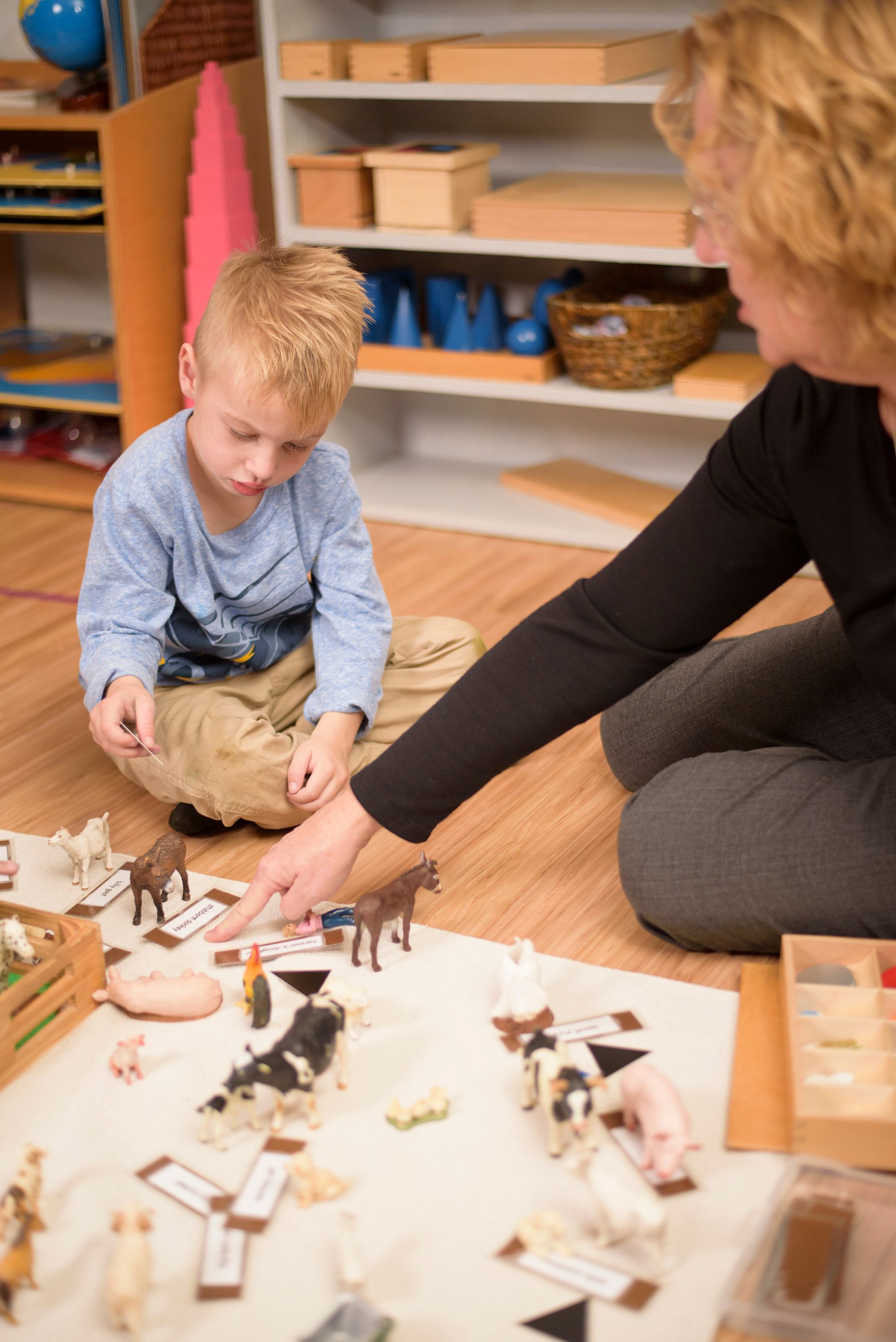
This original school was not an elite private institute; it was created specifically for the children of poor, working-class parents. Dr. Montessori applied her medical and scientific background, carefully observing how children interacted with their environment. Through scientific observation, she made remarkable discoveries:
- Deep Concentration: When given freedom of choice, children demonstrated profound focus on self-selected work.
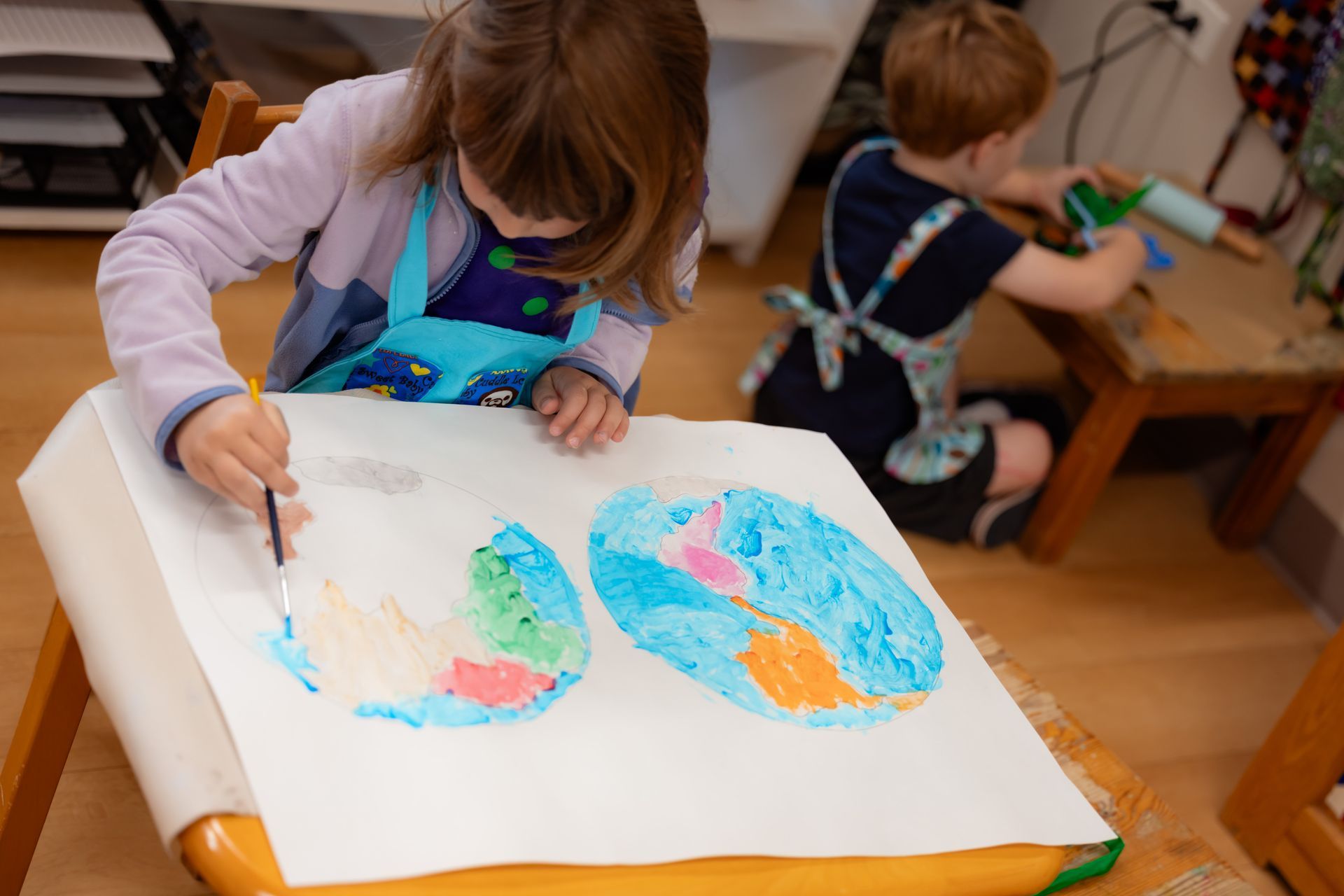
- Love for Practical Life: Children naturally gravitated toward real-world activities, such as sweeping, preparing food, and caring for their space.
- Absorbent Minds: Children effortlessly absorbed concepts directly from their physical environment.
- Self-Directed Independence: Given child-sized tools and self-correcting materials, children thrived without needing constant adult direction.
Casa dei Bambini proved that all children—regardless of socioeconomic status or background—possess an innate capability to achieve academic and personal excellence when given an enriched, respectful environment.
The Evolution of a Global Movement
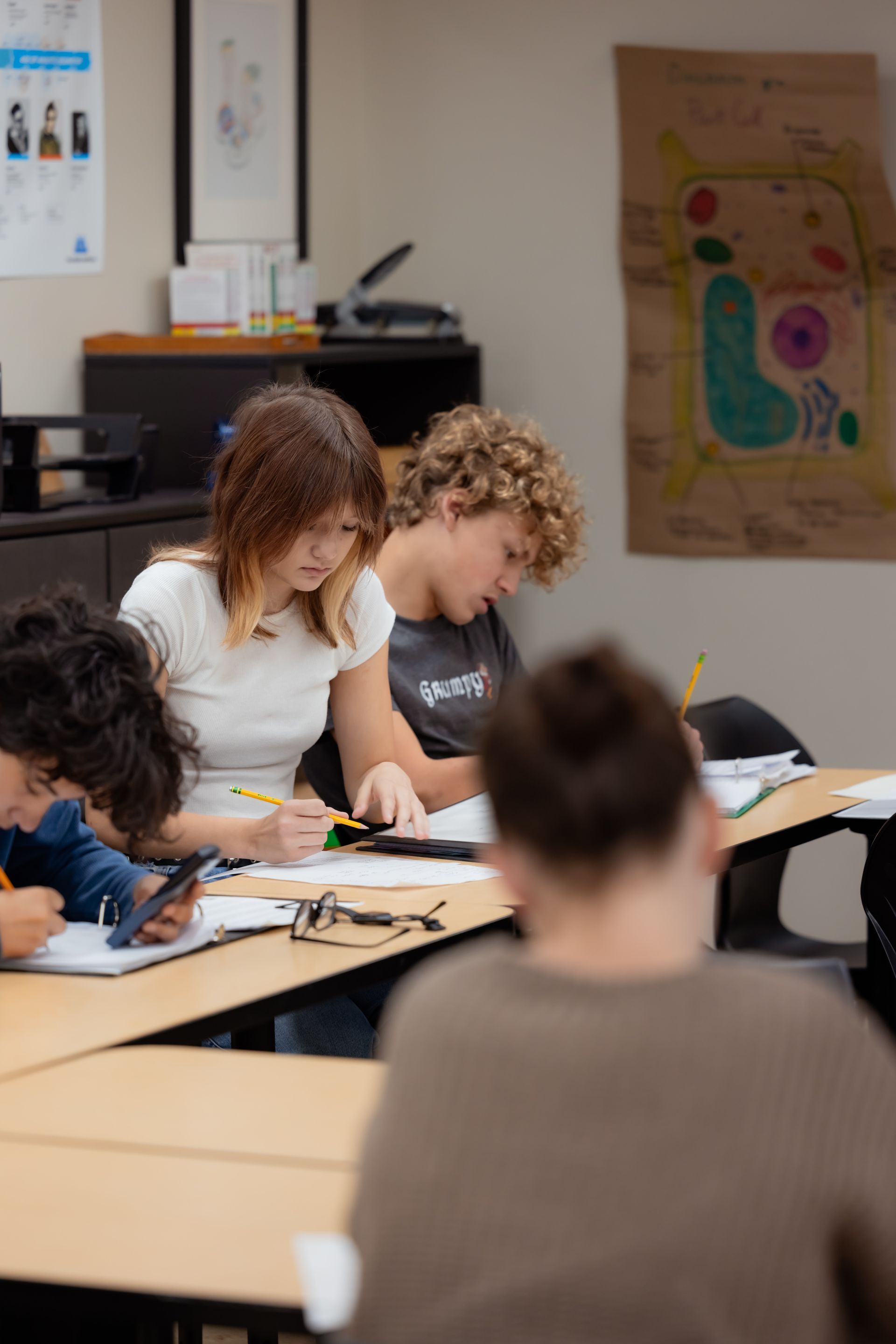
As word of Dr. Montessori’s success spread, schools opened across Europe and the United States in the early 20th century. Over time, her work expanded beyond early childhood to include primary, elementary, and adolescent stages of growth, forming her well-known Planes of Development.
While Montessori’s popularity in the United States fluctuated over the decades, a major revival occurred in the 1950s led by educator Nancy McCormick Rambusch, who founded the American Montessori Society (AMS). Today, organizations like AMS and Association Montessori Internationale (AMI) support educators worldwide in preserving and adapting Dr. Montessori’s methods.
However, over the second half of the 20th century, Montessori in America increasingly became associated with private tuition-based schools, placing this powerful methodology out of reach for many families.
TMSOE: Bringing Montessori Back to Its Roots
When The Montessori School of Englewood was founded in 2012, our purpose was clear: return Montessori to its foundational promise.
As a tuition-free, open-enrollment Chicago Public Charter School serving scholars from age 3 through 8th grade (ages 3–14), TMSOE reclaims Dr. Montessori’s original vision from the streets of San Lorenzo. We use the Montessori method as a tool for equity, social justice, and community empowerment.
In our classrooms, Dr. Montessori’s historical vision translates into daily practice:
- Affirming Identity: Celebrating the rich cultural history and brilliance of our West Englewood community.
- Teaching the Whole Child: Engaging our students' heads, hands, and hearts through academics, social-emotional learning, and restorative justice.
- Trauma-Informed & Culturally Responsive: Creating safe, peaceful environments where children feel loved, respected, and capable of leading their own learning.
Experience the Legacy in Action
The story of Montessori is not just a chapter in a history book—it is a living, breathing process taking place right here in Chicago.
Want to learn more about how public Montessori works at TMSOE?
Schedule a tour today!