The TMSOE Difference: How Public Montessori Empowers Chicago’s Children
From the moment you step foot into The Montessori School of Englewood (TMSOE), you know it is unlike a conventional neighborhood school. We like it that way. What we offer our Englewood community is rooted in a deep respect for children, providing a free, high-quality public education that honors who they are and who they are becoming.
Founded in 2012, TMSOE brings Montessori back to its roots: breaking down barriers to access, empowering students as agents of change, and fostering a culturally responsive, trauma-informed environment.
What, exactly, makes our public Montessori approach so transformative? Here is a look at the core principles guiding our classrooms every day.
Freedom Within Limits
One of the greatest misconceptions about Montessori is that children either run amok with no direction, or that the method is so rigid it leaves no room for joy and individuality. Neither is accurate.
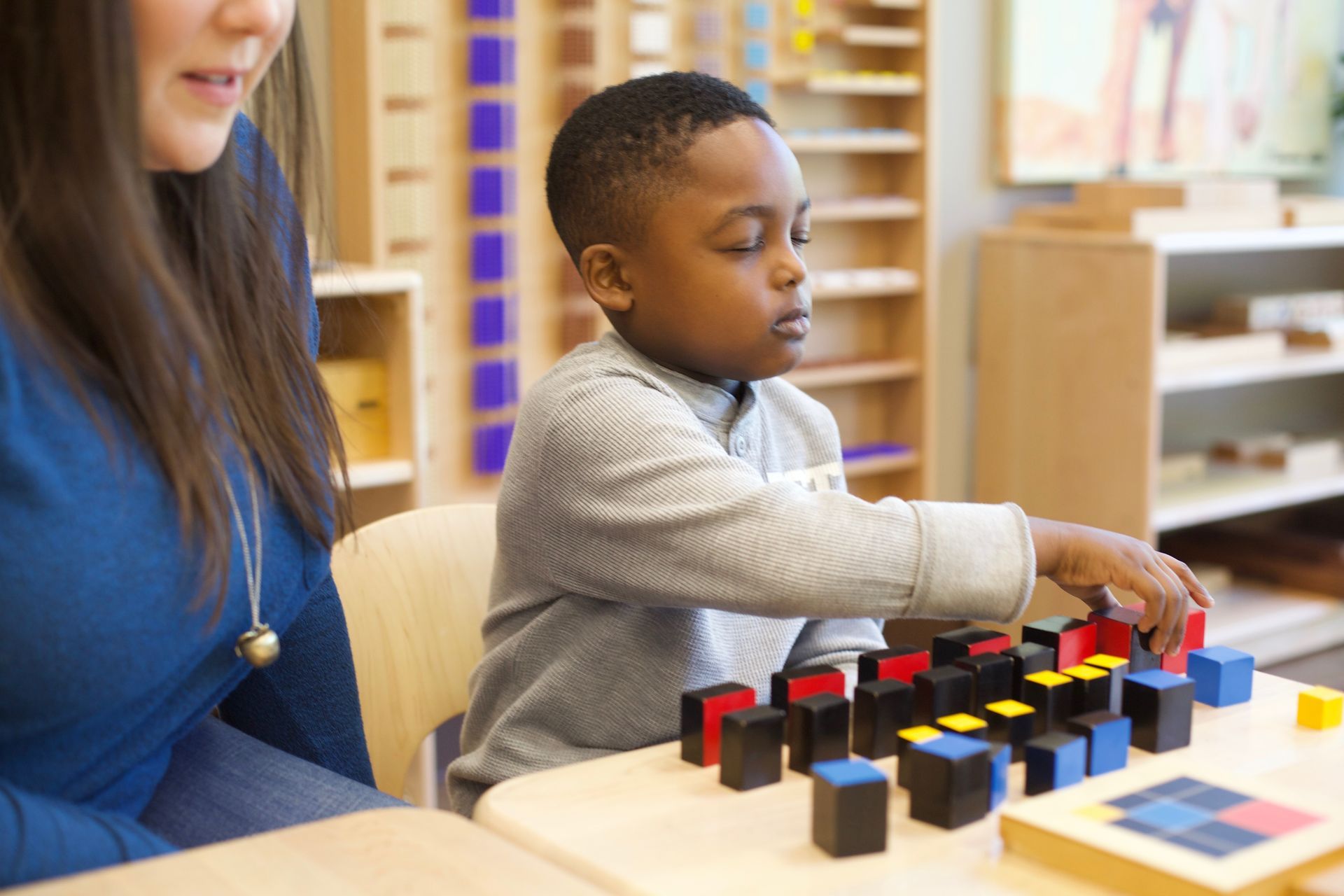
At TMSOE, we practice freedom within limits. We value a child’s independence and capacity for choice. Students choose their work, select where they sit, manage their task order, and take care of their bodily needs—like having a healthy snack or using the restroom—when their bodies tell them to.
To help them succeed, our Montessori guides create carefully crafted boundaries:
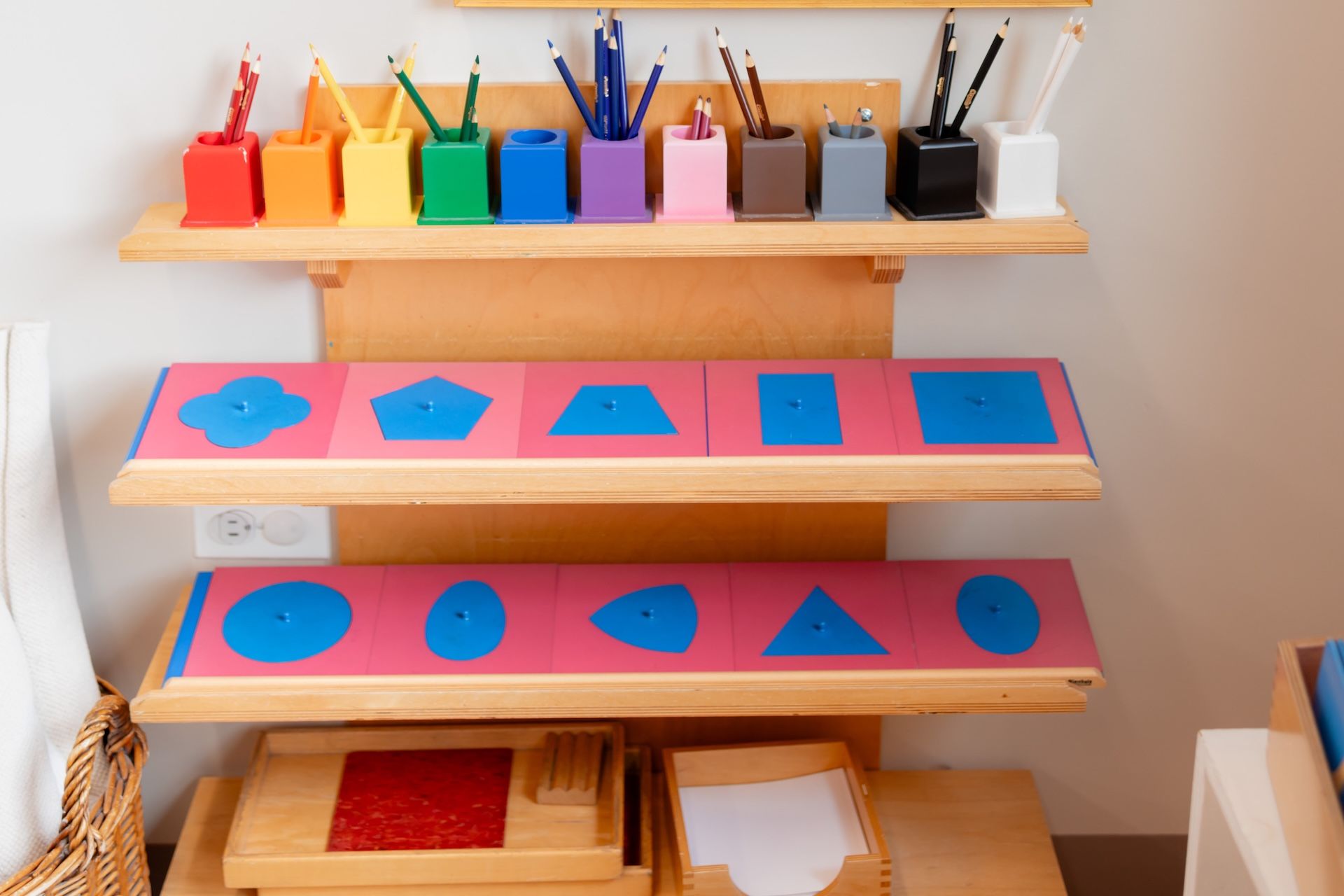
- Curated Choices: Children choose their work from options deliberately placed on the shelves to meet their specific developmental and academic needs.
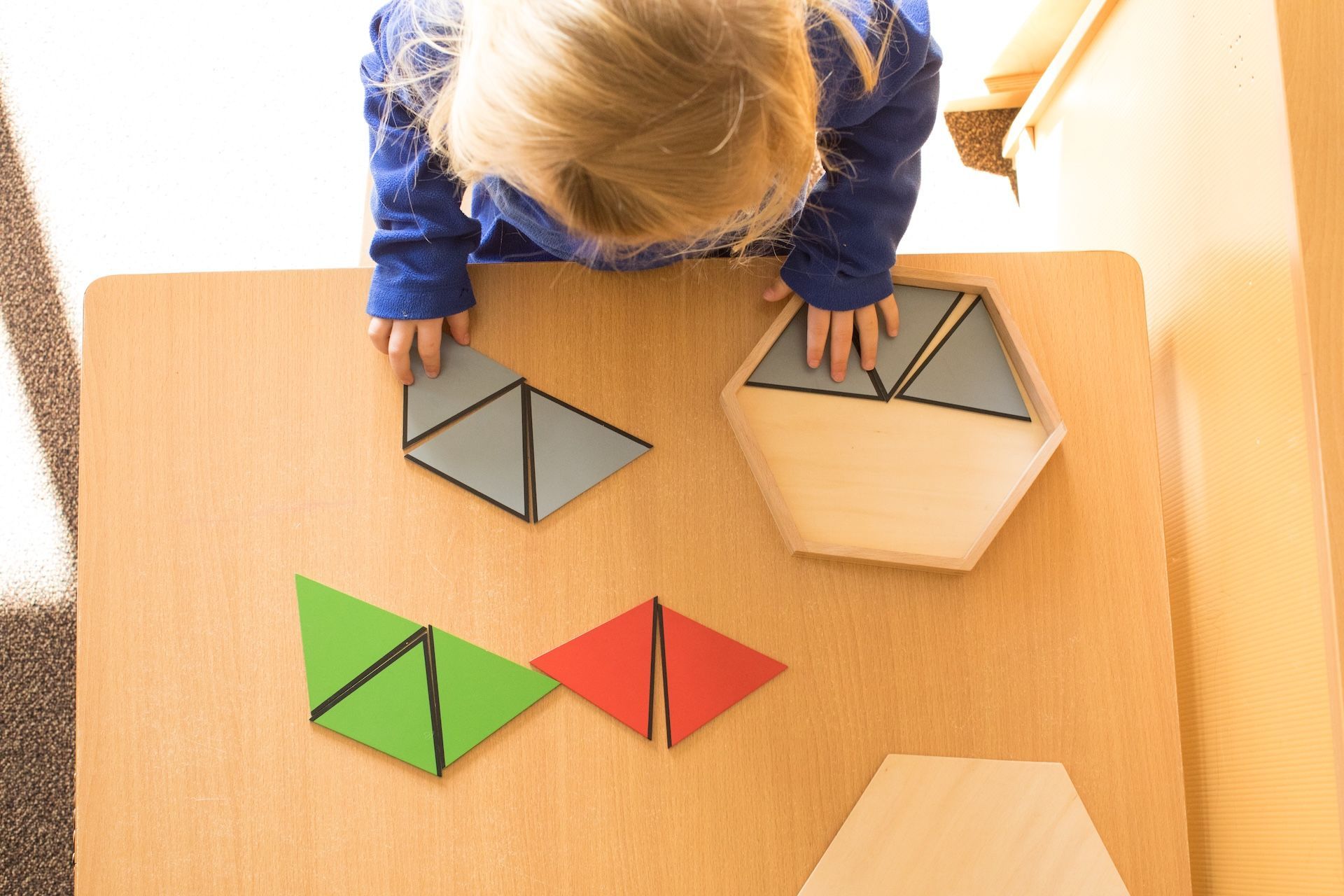
- Deep Mastery: If a student spends three consecutive days immersed in a single material, we honor that concentration. They are extracting what they need from the experience. When mastery is reached, they naturally move on.
- Supportive Guidance: When a child resists certain subjects or needs extra motivation, our guides step in with gentle structure, balancing authentic choice with high expectations.
Multi-Age Classrooms
Rather than grouping children strictly by a single birth year, our multi-age learning environments serve three-year age spans: Primary/Head Start (ages 3–5), Kindergarten (ages 5-6), Lower Elementary (ages 6–9), Upper Elementary (ages 9–12), and Middle School (ages 12–14).
This model mirrors real life and creates a supportive, community-centered dynamic:
- Blended Skill Levels: An older child who needs extra support in reading does not carry a stigma; they work alongside peers at the exact same point in their learning journey. A younger child ready for advanced mathematics can dive right in without institutional barriers.
- Leadership and Mentorship: Younger students constantly observe older role models, while older students solidify their own academic mastery by mentoring their peers.
- Three-Year Relationships: Guides, students, and families stay together for three years. This long-term continuity builds deep trust, safety, and meaningful partnership.
Teachers as Guides
In conventional classrooms, the teacher is often the center of attention—standing at the front of the room delivering information to be consumed. In a Montessori environment, our educators act as Guides.
We believe the most impactful learning happens through self-discovery. Our job is to guide students to ask big questions and discover the answers themselves, rather than dictating a pre-scripted lecture.
While we fully align with rigorous academic expectations to ensure our students master core subjects, we do so by leading them to learn actively. We cultivate scholars who know how to think, not just what to think.
Individualized Pacing
Learning is not linear. Children do not develop at the exact same pace, and growth happens in starts, stops, and sudden leaps.
Because standard whole-group lectures are rare in our classrooms, no child has to sit through a lesson on concepts they have already mastered, feeling restless and disengaged. Equally important, no child is pushed ahead before they are ready, leaving them feeling overwhelmed or left behind.
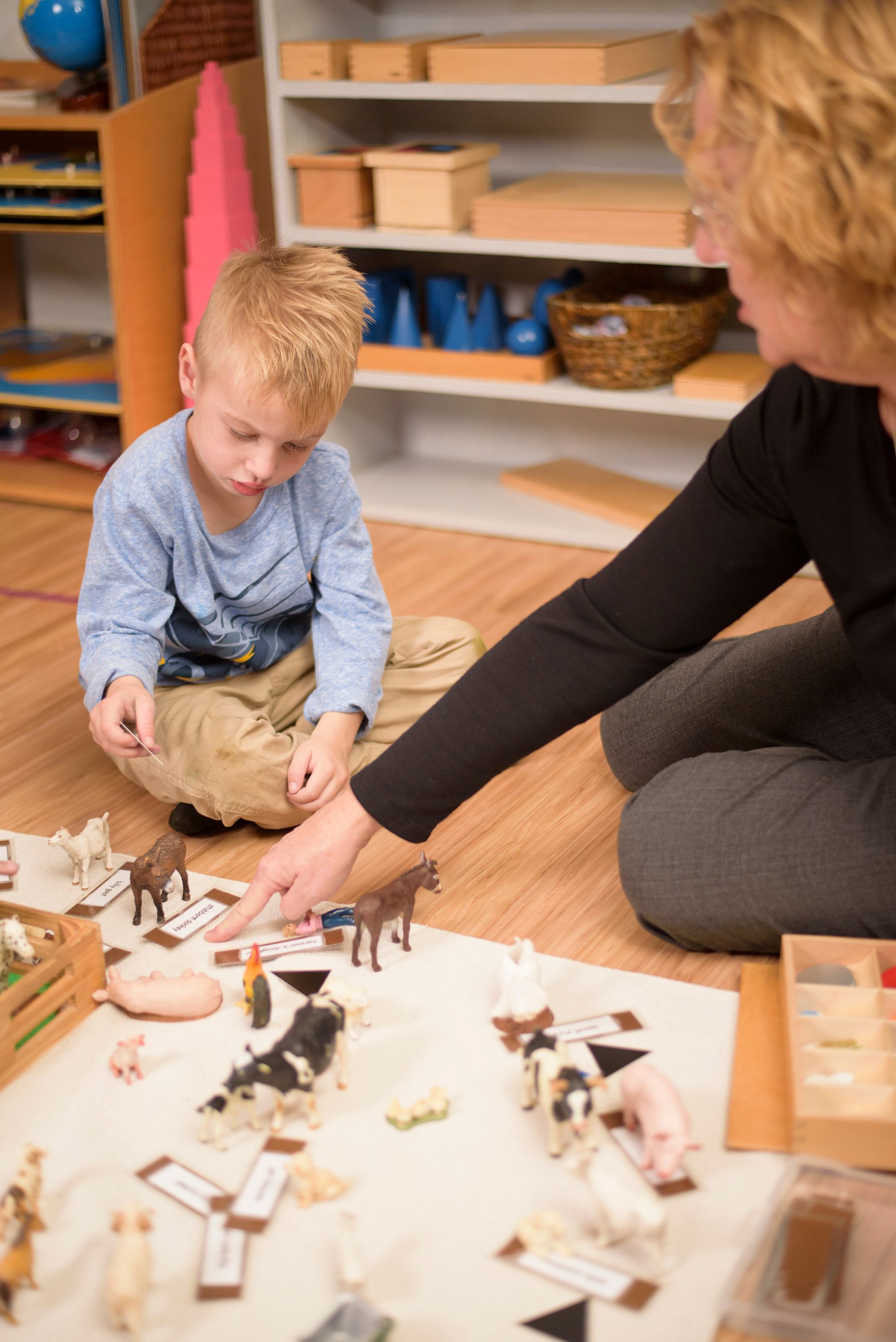
Our guides utilize robust record-keeping systems to monitor individual progress, giving personalized small-group and one-on-one lessons tailored to where each child is today.
Meaningful Assessment Over Standard Grading
At TMSOE, we focus on the whole child—heads, hands, and hearts. Traditional letter grades and frequent high-stakes tests often reduce learning to a final score and encourage harmful comparisons between children. Instead, we prioritize formative and observational assessment.
Our guides observe students daily while they work, documenting their understanding, precision, and application of concepts. This approach allows us to:
- Adjust in Real Time: We can adapt our teaching mid-lesson to give a child immediate clarity.
- Focus on Growth: We measure a child against their own potential, not against their neighbor.
- Build Continuous Momentum: Assessment is never a final "judgment"; it is a tool to celebrate progress, review goals, and map out the next steps for learning.
Focus on True Independence
We believe children—even our youngest three-year-olds—are capable of far more than traditional systems expect. True independence builds self-worth and agency.
This growth is a deliberate, step-by-step process across every plane of development:
- Primary (Ages 3–5): Children learn to pour their own drinks, button their coats, care for their environment, and return materials to their proper homes.
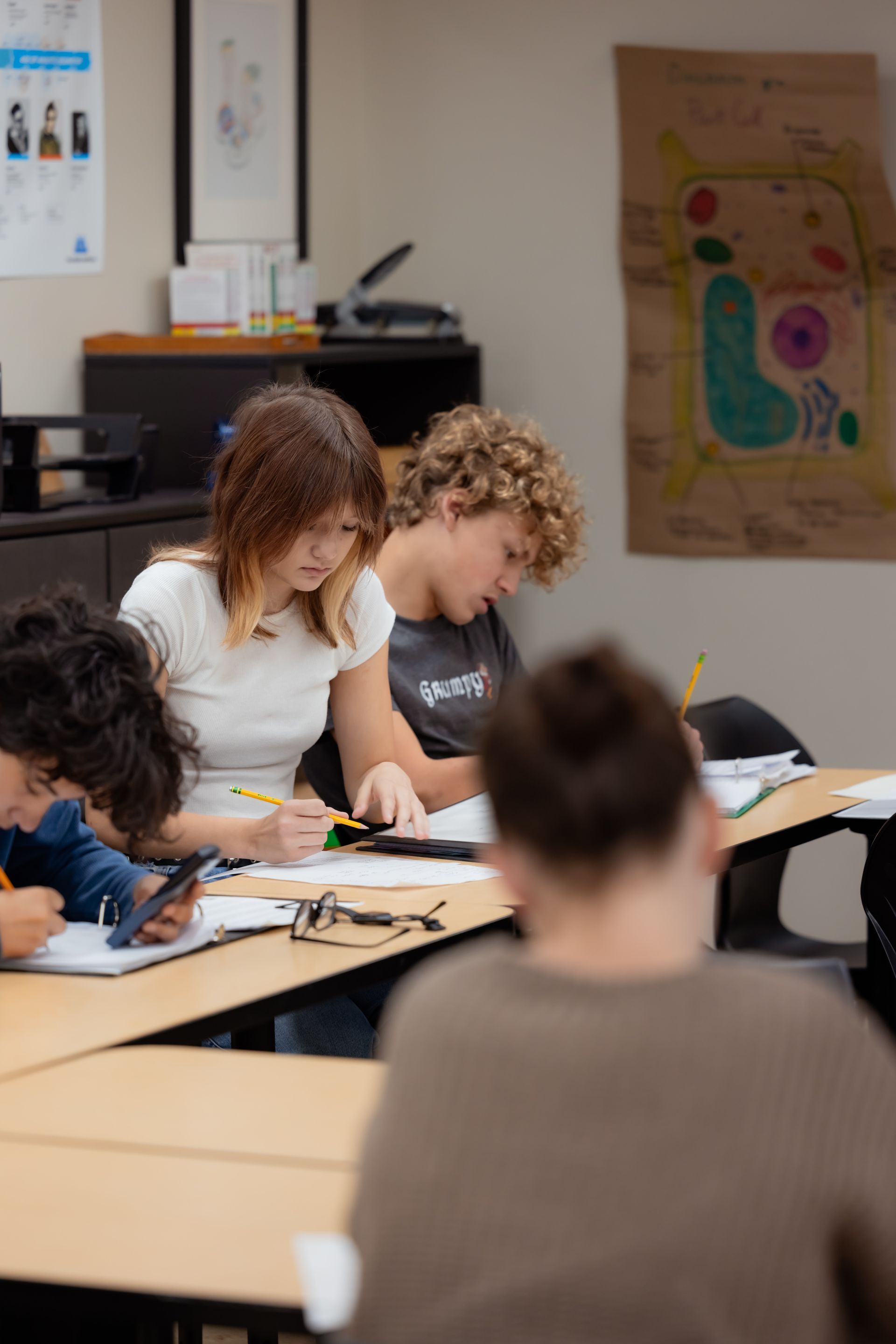
- Elementary (Ages 6–12): Scholars take ownership of their daily work plans, conduct independent research projects, and learn to resolve social conflict peacefully.
- Middle School (Ages 12–14): Adolescents engage in practical micro-economy projects, explore community leadership, and practice the real-world skills needed to navigate the world safely and confidently.
We meet children where they are, offering the exact scaffold of support they need to say, "I can do it myself."
Nurturing Global Citizens and Agents of Change
TMSOE exists not only to foster academic excellence, but to nurture kind, creative, resilient, and passionate human beings.
We explicitly teach peace, honor cultural identity, and build a restorative community where every voice is valued. We help our scholars understand their connection to their neighborhood, to the city of Chicago, and to the broader world. By understanding how interconnected we all are, our children develop the empathy, critical thinking, and sense of justice needed to build a better planet for everyone.
Join Our TMSOE Community
As an open-enrollment, tuition-free Chicago Public Charter School, we welcome families from across the community to experience this transformative educational approach.
Interested in learning more about how TMSOE can support your child's journey?
Schedule a tour today!