Honoring the Autonomous Child: How We Practice "Following the Child" at TMSOE
The title of this post might seem a little unnecessary at first glance. You may be thinking, "Of course my child is an autonomous person, and of course we respect that!" If you are reading this, chances are you care deeply about your child’s education and, above all, respect them as an individual.
When it comes to parenting and teaching, however, our natural inclination is often to step in, protect, and manage. There is nothing inherently wrong with this—in fact, keeping children safe and supported is our core responsibility. But sometimes, our good intentions can unintentionally get in the way of a child's natural path toward independence and confidence.
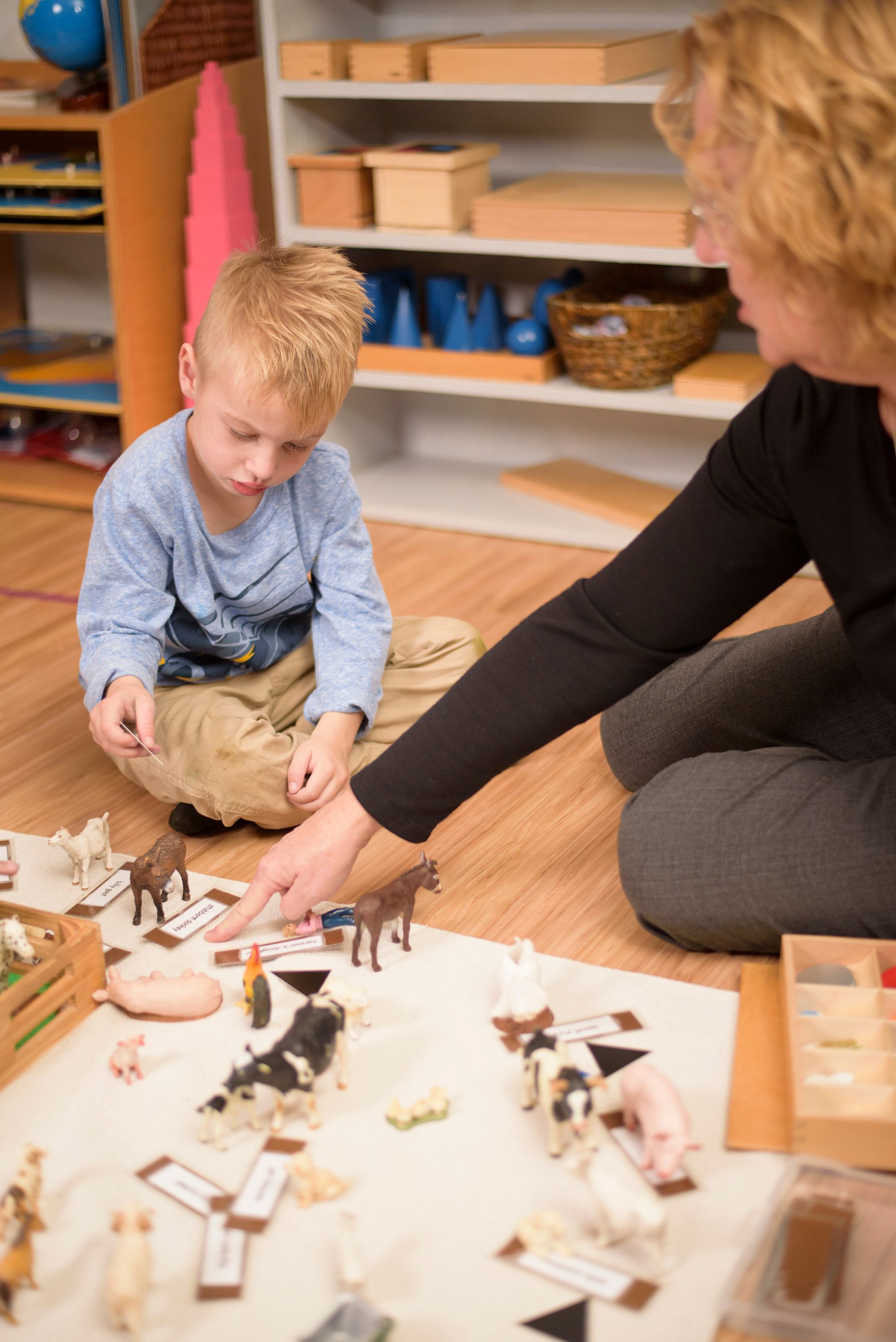
In Montessori education, you will often hear guides talk about how we "follow the child." What this means in practice is that we suspend our own assumptions about how things ought to be done and instead observe the child to see what they truly need and want. We remind ourselves that children are capable of far more than society often gives them credit for, and that their interests and learning styles are uniquely their own.
At The Montessori School of Englewood, we ground our work in mutual trust. We trust our students to learn, to care for themselves and their community, and to communicate what they need.
What Does This Look Like in the Classroom?
In traditional educational models, teachers are often taught that they must be the center of attention at all times—delivering lectures, directing every minute, and maintaining full control. Society often leads us to believe that if an adult steps back, learning isn't happening.
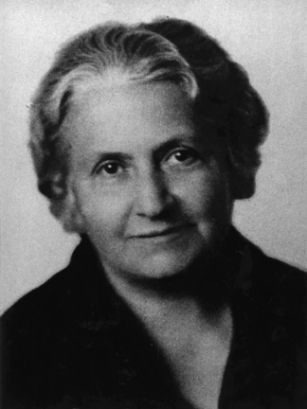
Dr. Maria Montessori saw things differently. She famously noted:
"The greatest sign of success for a teacher is to be able to say, 'The children are now working as if I did not exist.'"
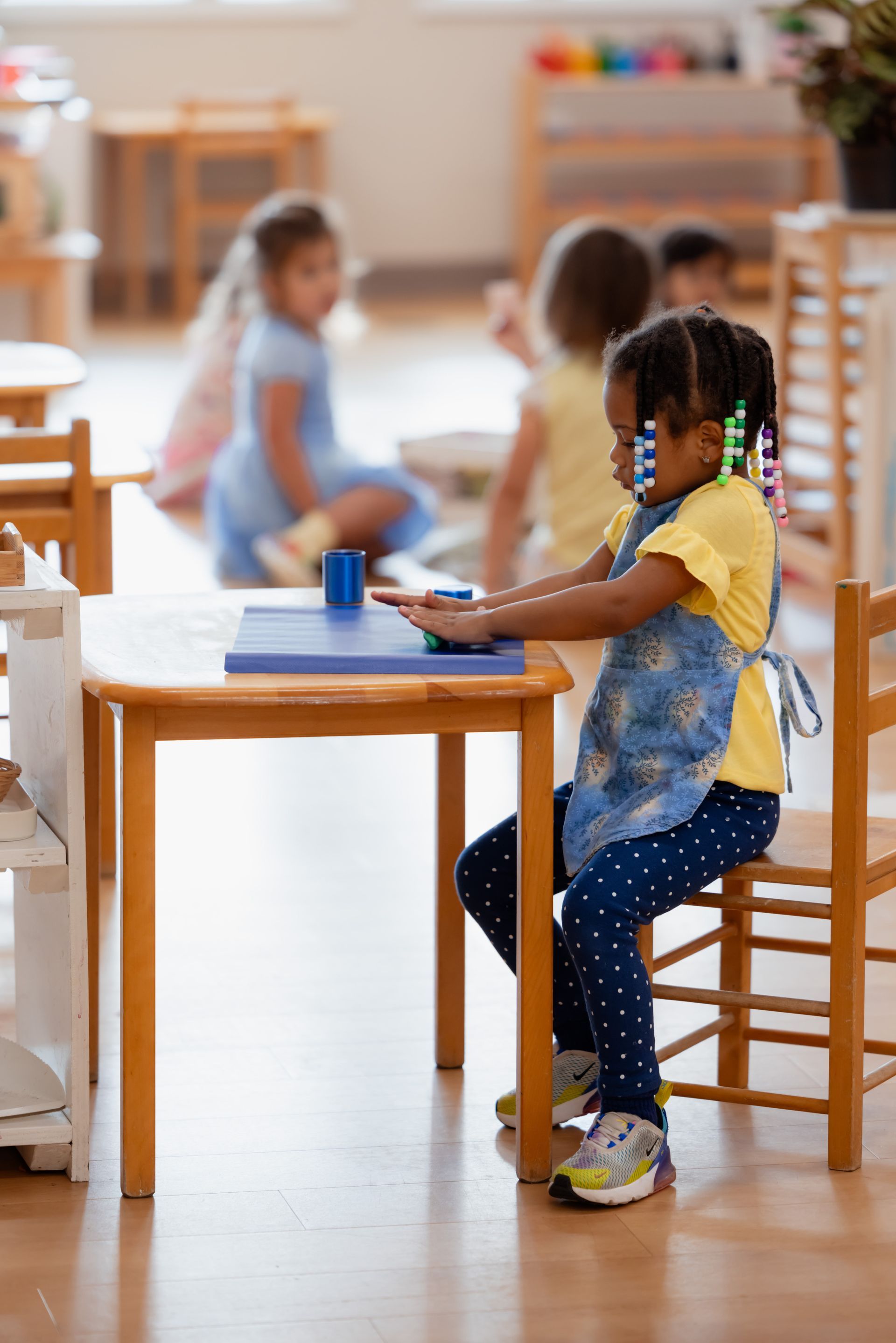
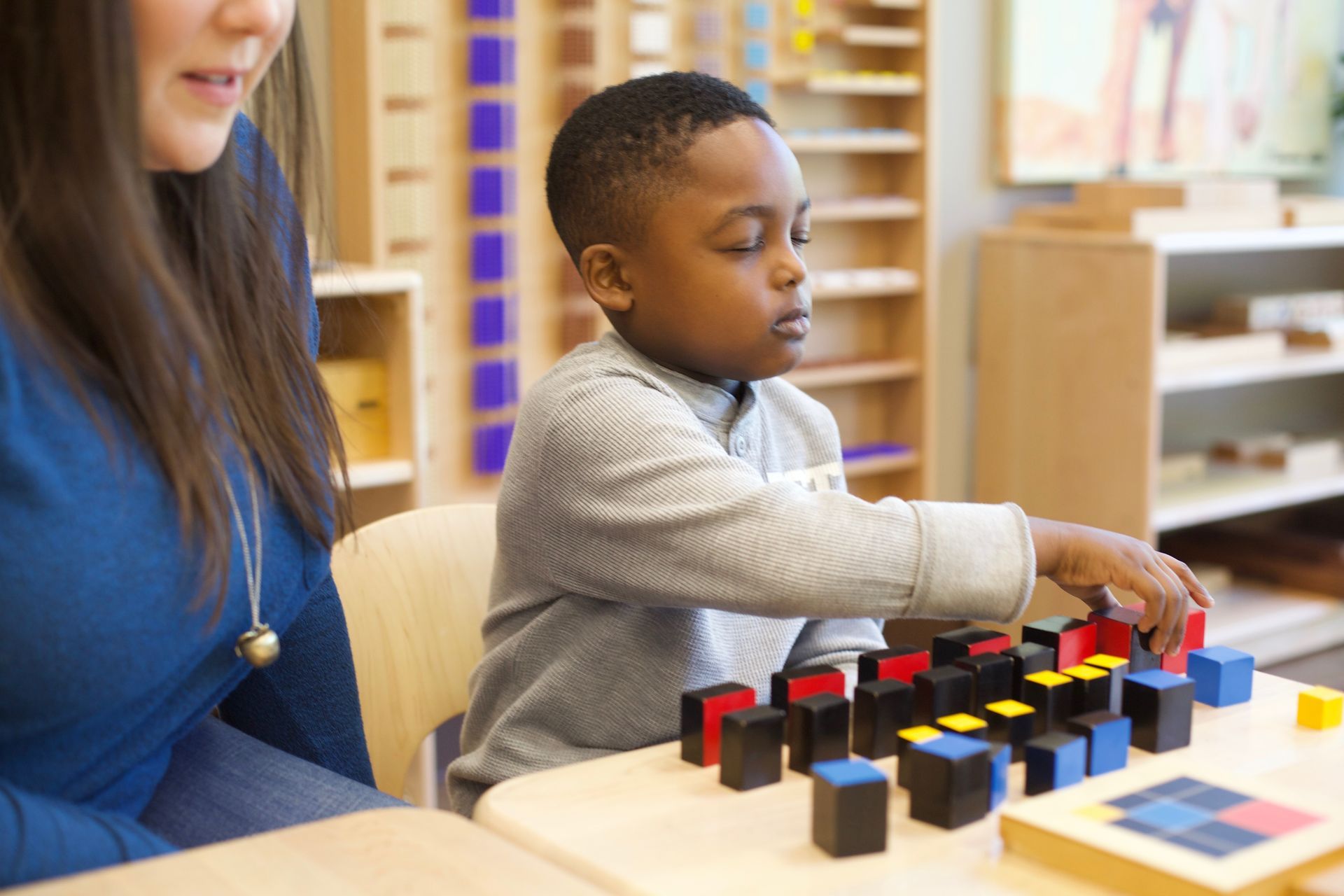
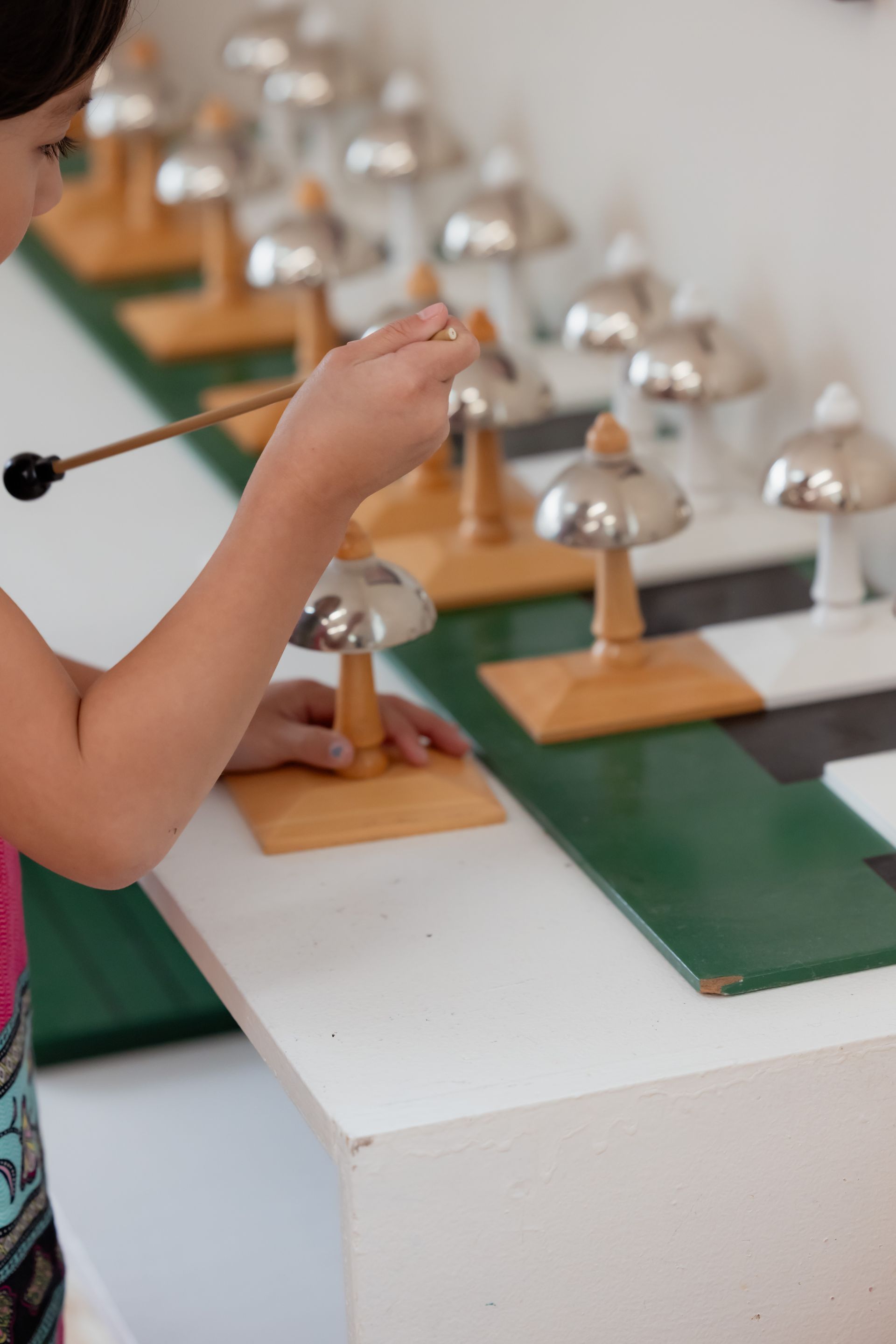
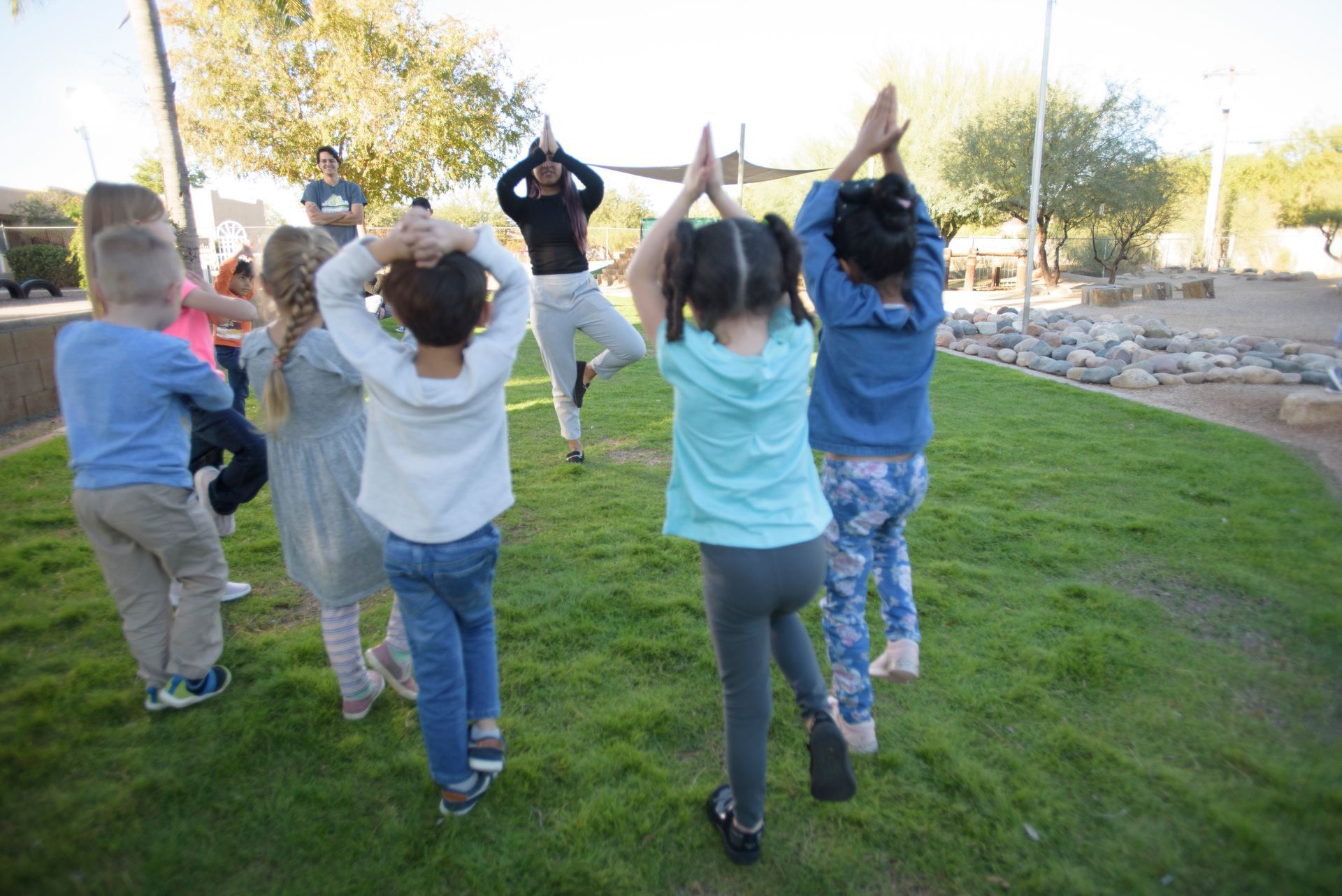
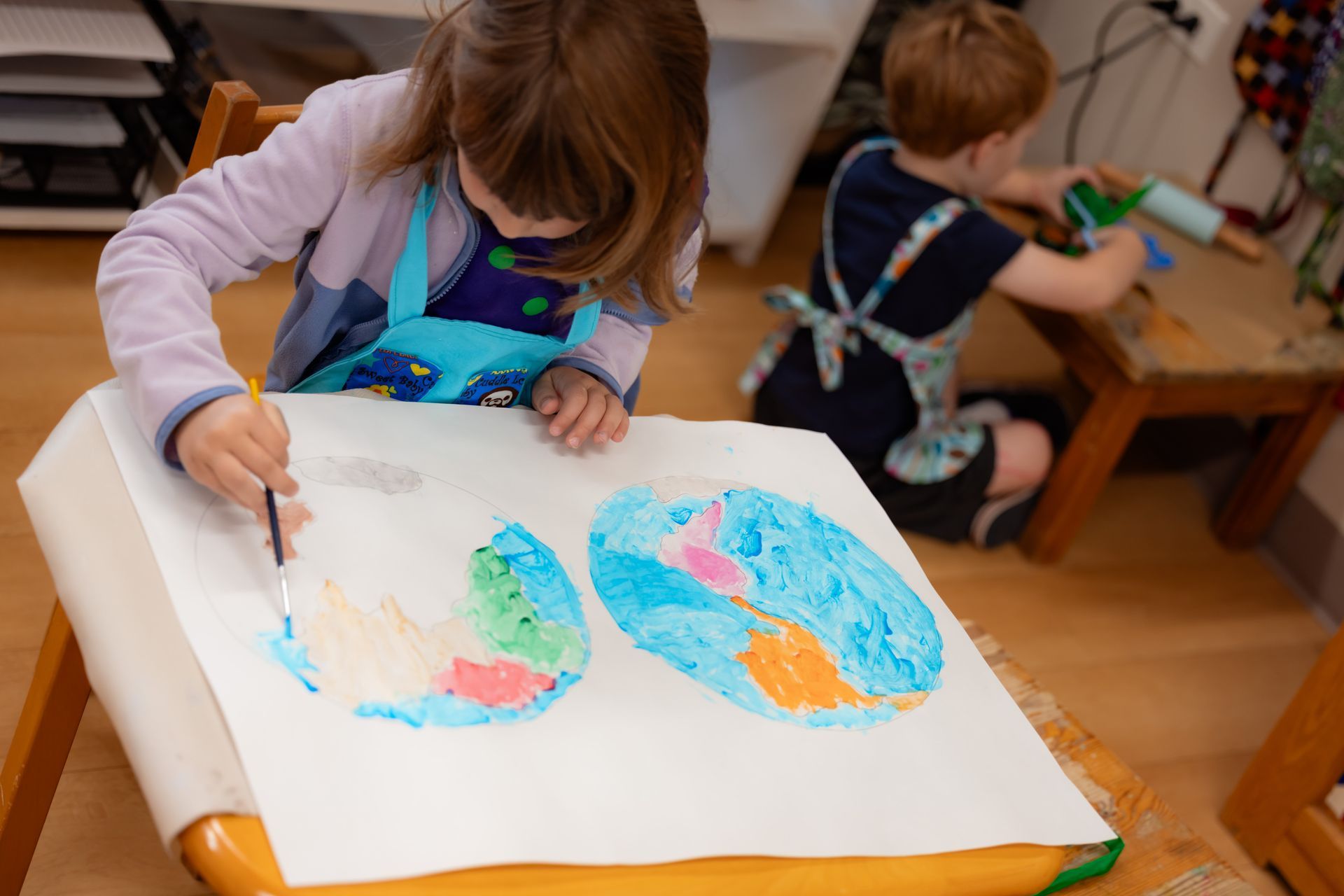
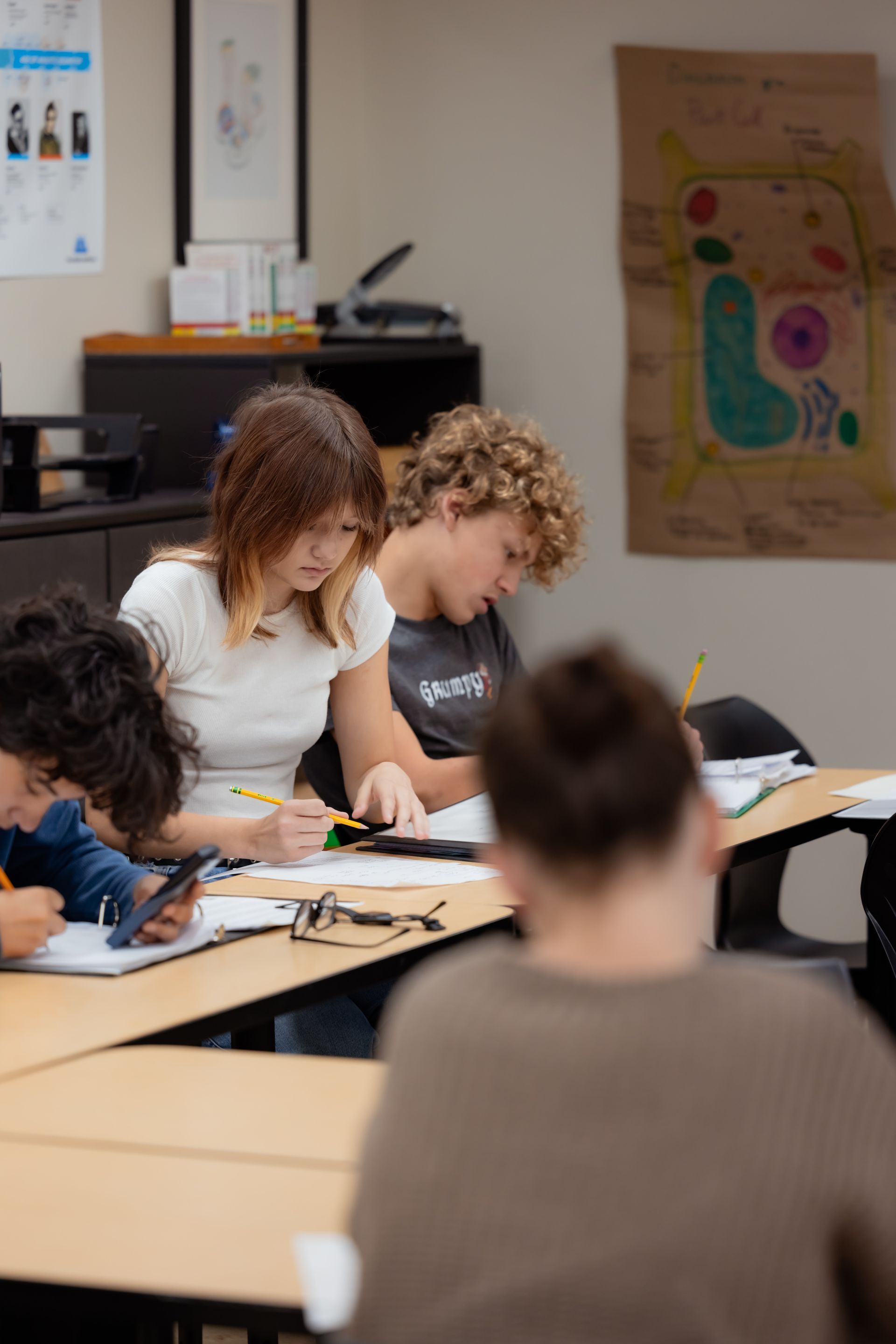
In our Primary, Elementary, and Middle School classrooms at TMSOE, our guides aim to inspire rather than dictate. Our job is to present new concepts and materials in a way that sparks curiosity rather than delivering pre-packaged answers. We prepare an environment that allows each student, at every stage of development, to do as much for themselves as they possibly can.
When a child no longer needs our direct intervention to complete a task, we consider that a major success. As they grow, their needs will shift, but our overarching goal remains the same: helping them build deep self-reliance, self-advocacy, and pride in their own capabilities.
Here are a few ways independence and autonomy are built into daily life across our classrooms:
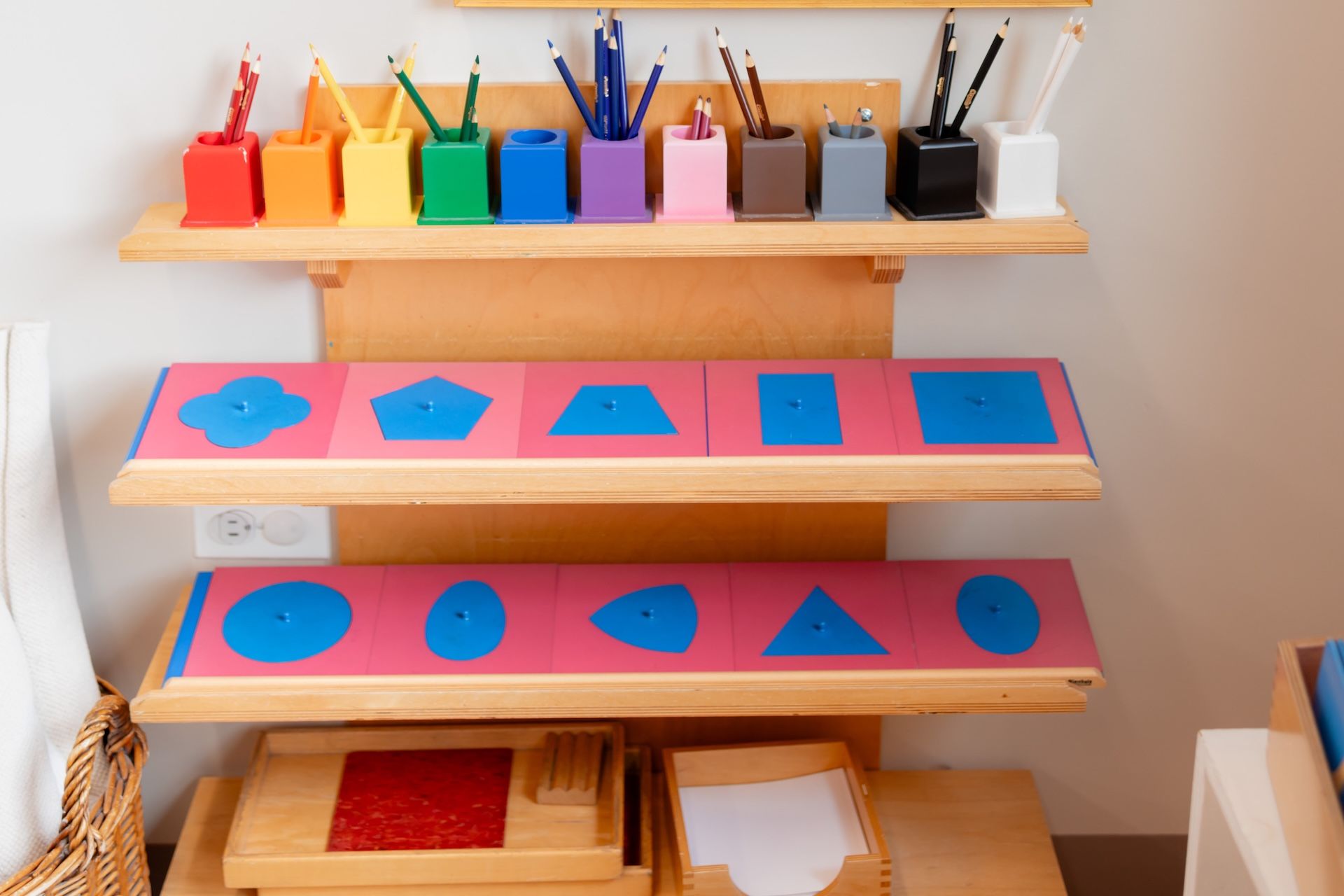
- Low, accessible shelves: Materials are kept within reach so children can select, use, and return work independently.
- Real, child-sized tools: Real cleaning supplies (dustpans, brushes, sponges, and mops) allow children to care for their space.
- Personal storage: Hooks and cubbies are positioned so students can independently organize their coats, bags, and shoes.
- Bodily autonomy: Students may use the restroom or get water whenever they need to, without asking for formal permission.
- Self-served snacks: Food and water stations are accessible so children can listen to their bodies when they feel hungry or thirsty.
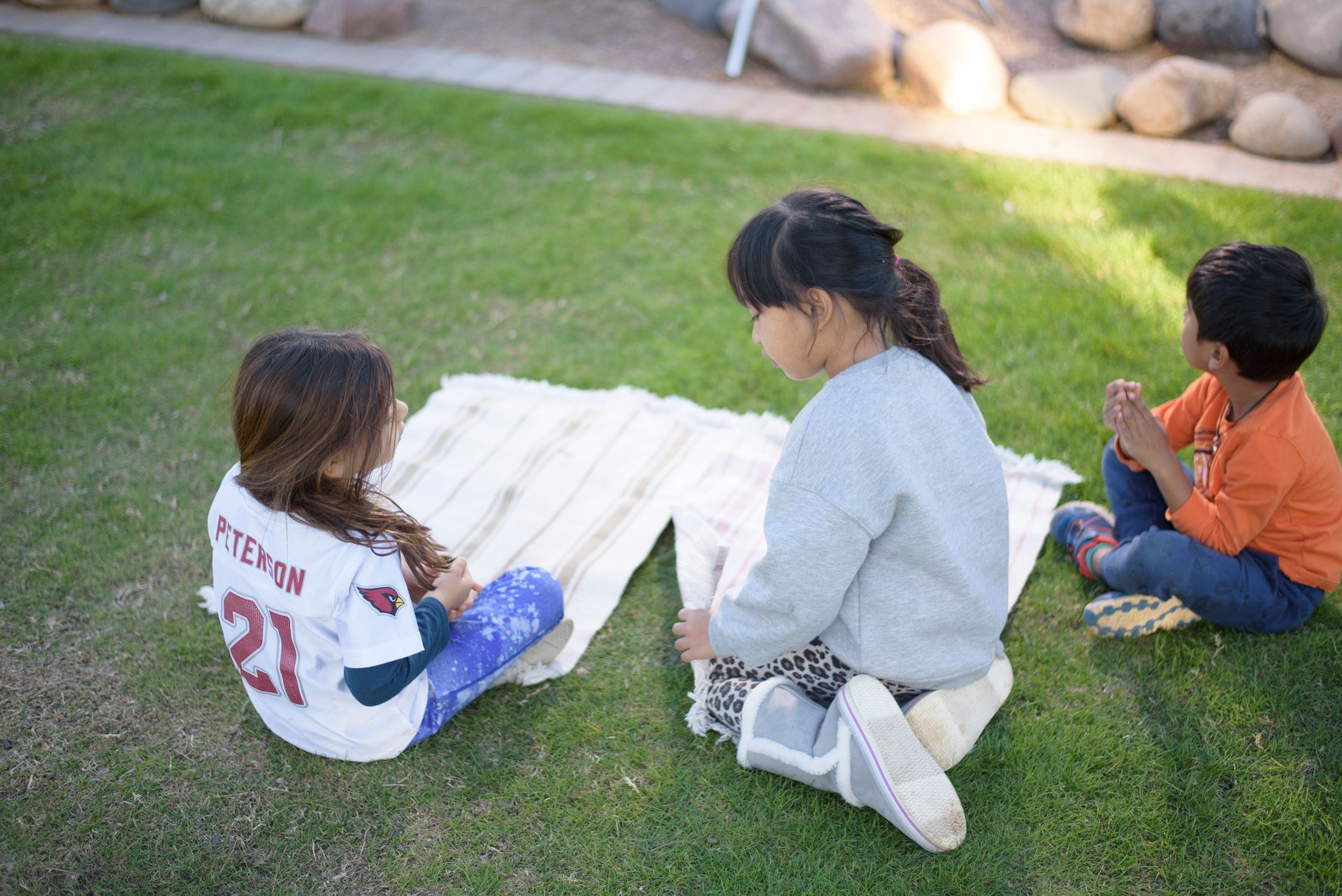
- Freedom of movement and choice: Students choose meaningful work and decide whether to work at a table or on a floor mat, independently or with peers.
- Individualized pacing: Children progress through concepts at a rhythm tailored to their unique mastery rather than being forced into a rigid, one-size-fits-all timeline.
- Authentic materials: Children work with real glass cups, ceramic dishes, and real preparation tools, learning care, precision, and spatial awareness.
How Families Can Cultivate Autonomy at Home
Supporting a child's independence does not require turning your home into a classroom. Small, intentional shifts in your daily routine can make a powerful difference:
1. Honor Personal Choice & Style
Let your child—even a toddler—select their own clothing within reasonable seasonal boundaries. They might pair mismatched socks or bold patterns, but choosing their outfit honors their developing sense of self.
2. Teach Through Demonstration, Not Directives
Instead of simply telling a child to clean their room or make their bed, offer a brief, calm lesson showing them how to break the task into manageable steps. Remember that learning requires patient repetition over time.
3. Respect Physical Autonomy
Avoid forcing children to give physical affection to relatives or visitors if they feel hesitant. Reassure them that they are in charge of their own bodies and have the right to choose how they greet others (a wave, high-five, or handshake are great alternatives).
4. Prepare the Home Environment
Give children independent access to everyday items. A low cabinet stocked with child-friendly cups and plates, a low shelf in the pantry or refrigerator with healthy snacks, and a small broom or rag set in the kitchen empower children to serve themselves and clean up minor spills without needing to ask an adult.
5. Establish Predictable Rhythms
Consistent daily routines allow children to anticipate what comes next without constant adult reminders. Visual charts featuring simple photos or drawings are wonderful tools to help younger children manage their morning and bedtime routines independently.
6. Pause and Observe Before Stepping In
When you see your child struggling with a zipper, a puzzle, or a decision, pause before jumping in to fix it. Allow them time to problem-solve. If you notice frustration building, try offering a supportive phrase like, "I'm right here if you'd like a hand," leaving the choice in their hands.
Partnering with TMSOE
Cultivating autonomy is a continuous journey shared between home and school. When we show children that we trust their abilities, they learn to trust themselves—building resilience, character, and a genuine love for learning.
We invite families and neighbors to see our prepared environments in action and learn more about our open-enrollment public Montessori program serving ages 3 to 14.
Want to learn more? We'd love to have you come in for a tour.