The Three-Year Cycle: How Mixed-Age Classrooms Create Community and Leadership at TMSOE
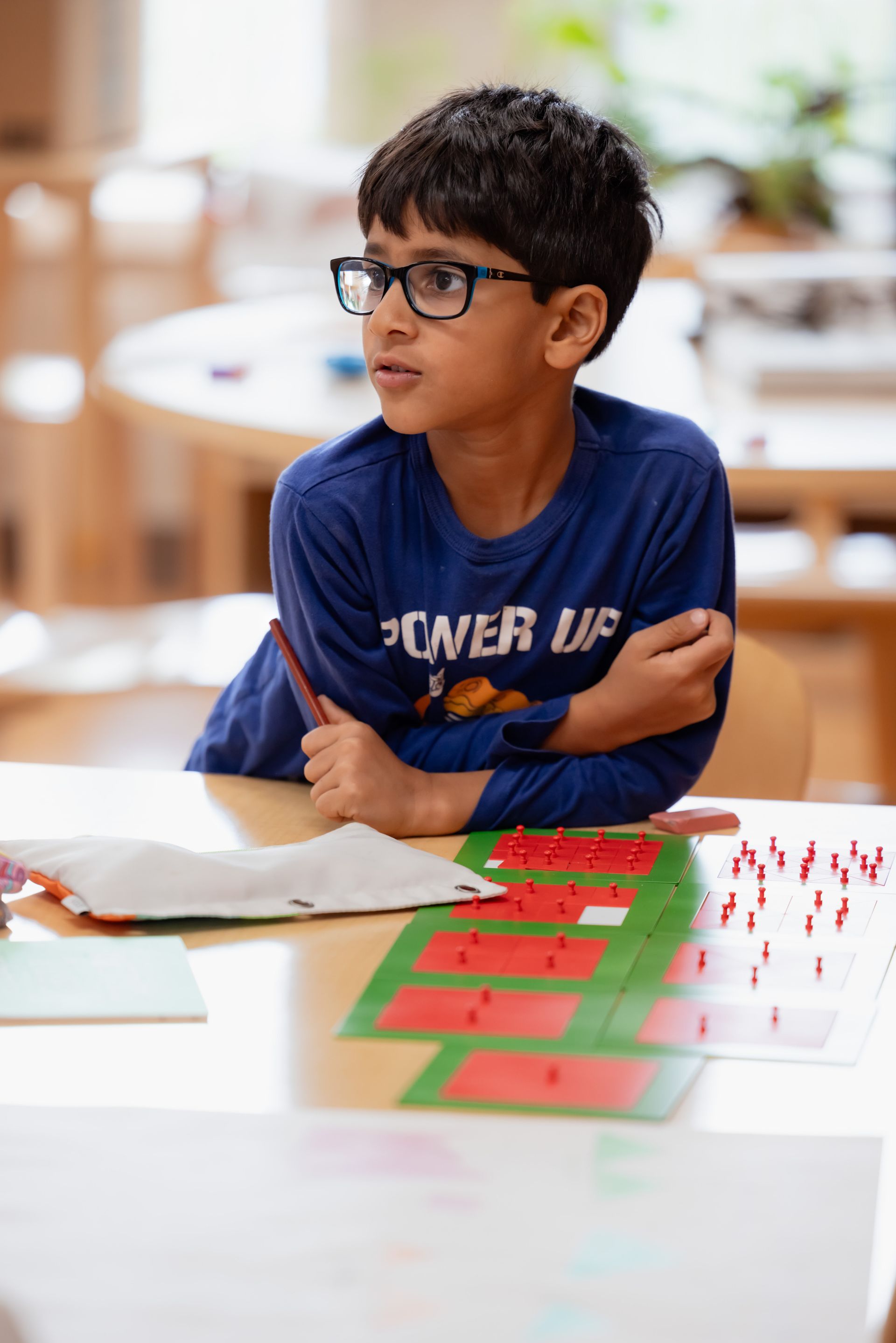
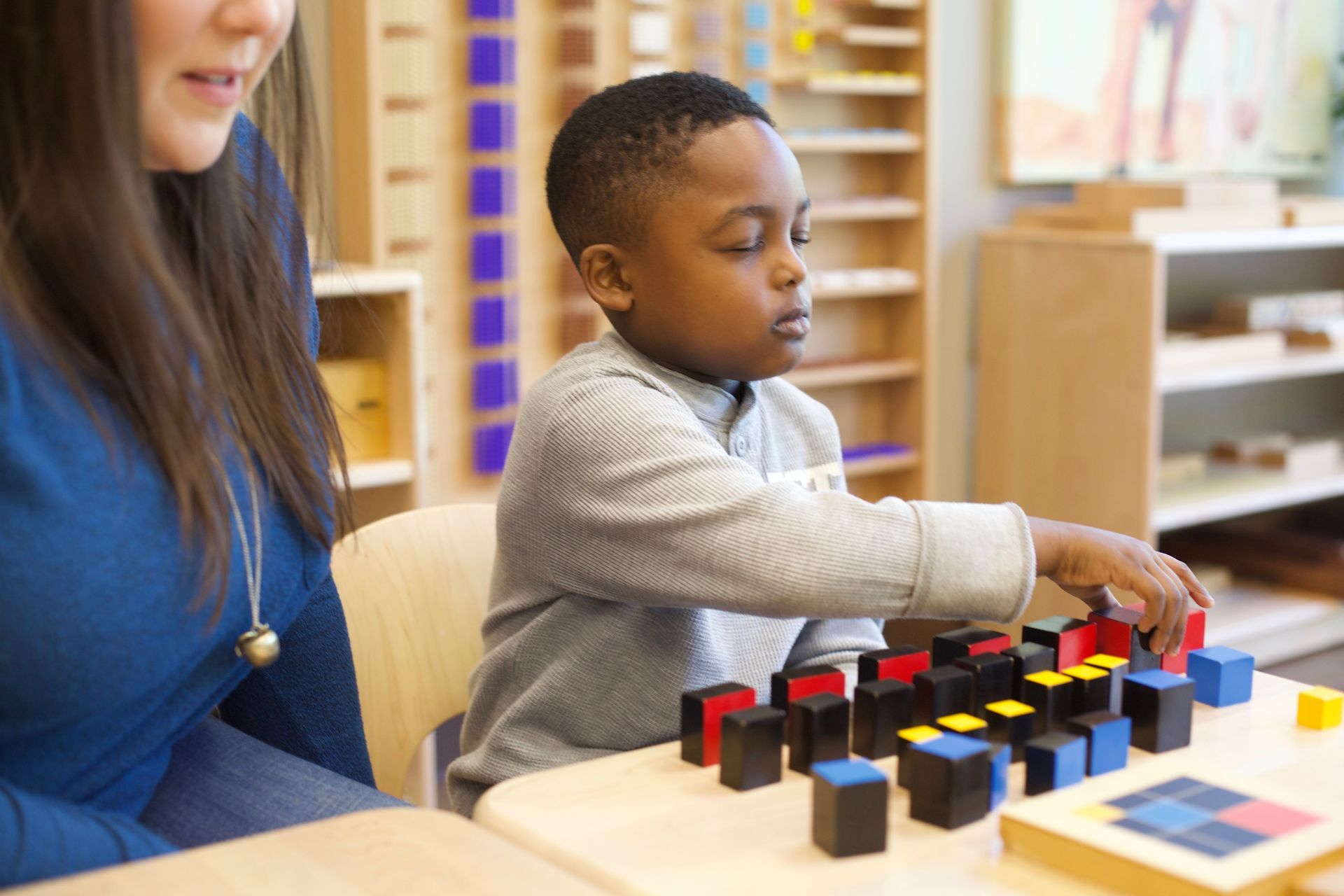
When families visit a classroom at The Montessori School of Englewood (TMSOE), one of the first things they notice is the mix of ages in a single room. Visitors often ask: How can children of different ages and developmental stages all be supported, challenged, and nurtured in the same space?
While there are many reasons this model succeeds, a foundational pillar of Montessori education is the Three-Year Cycle.
What is a Montessori Three-Year Cycle?
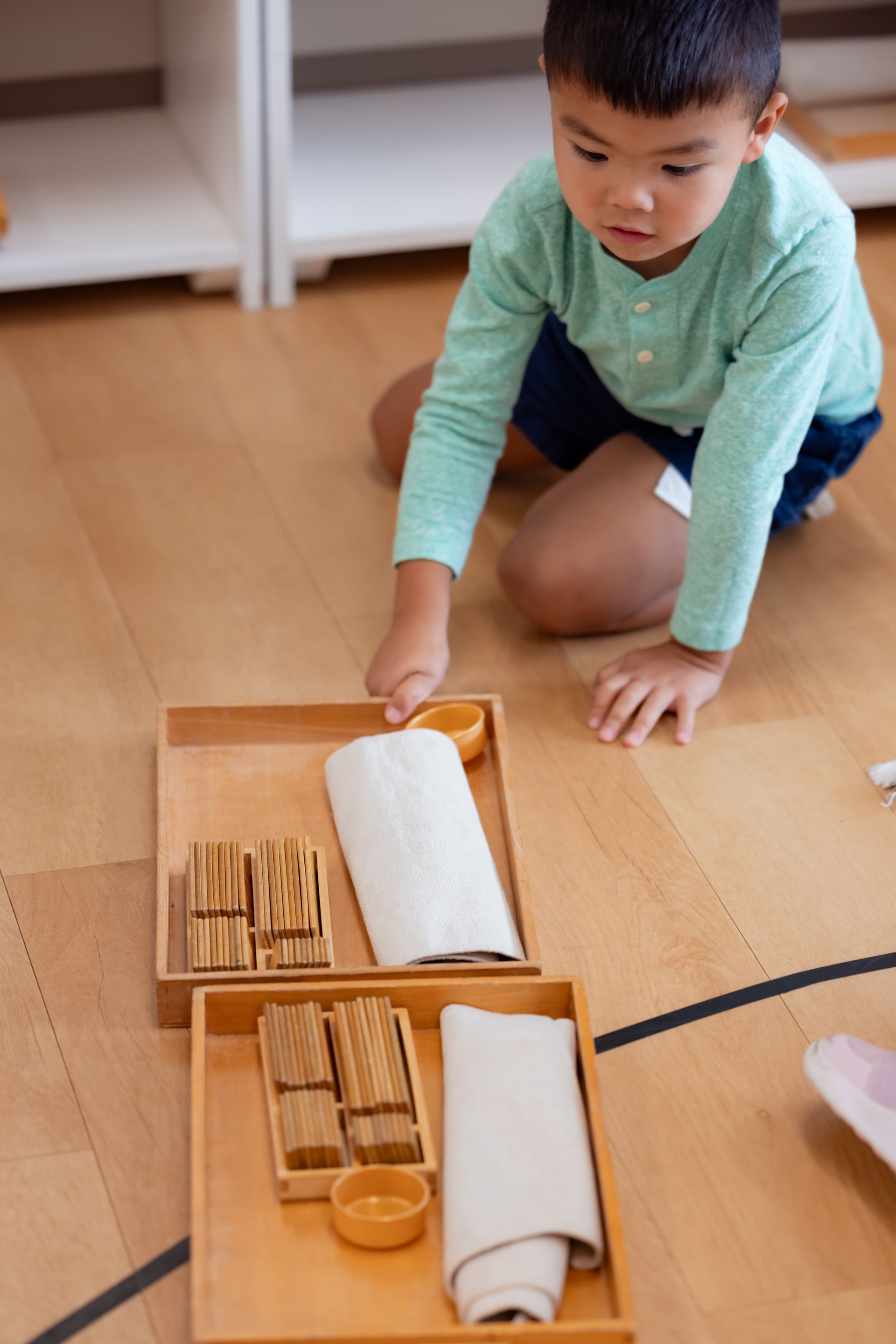
At TMSOE, children typically enter a classroom as the youngest members of the room and remain in that same learning community for three full years—whether in our Primary (Head Start/Kindergarten), Lower Elementary, Upper Elementary, or Middle School environments.
Over those three years, children move through a natural, predictable rhythm of growth and development:
- Year 1: Establishing Roots. Much like a newly planted flower, a child in their first year is focusing energy underground. They are exploring their environment, learning classroom routines, absorbing social norms, and establishing a sense of safety and trust within their new community.
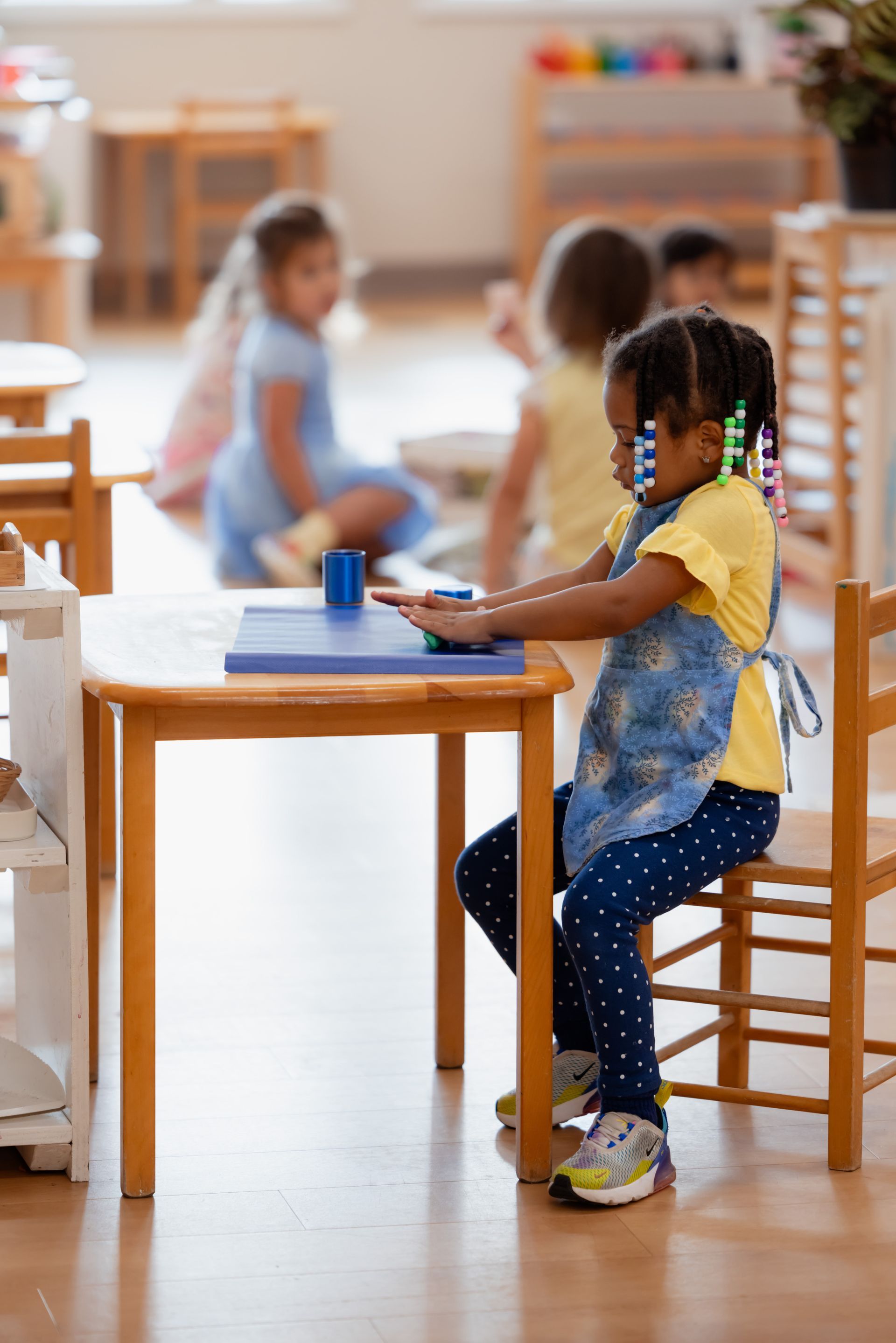
- Year 2: Beginning to Blossom. In their second year, children feel settled and secure. They begin experimenting with more complex materials, stretching their abilities, and gaining confidence as established members of the class family.
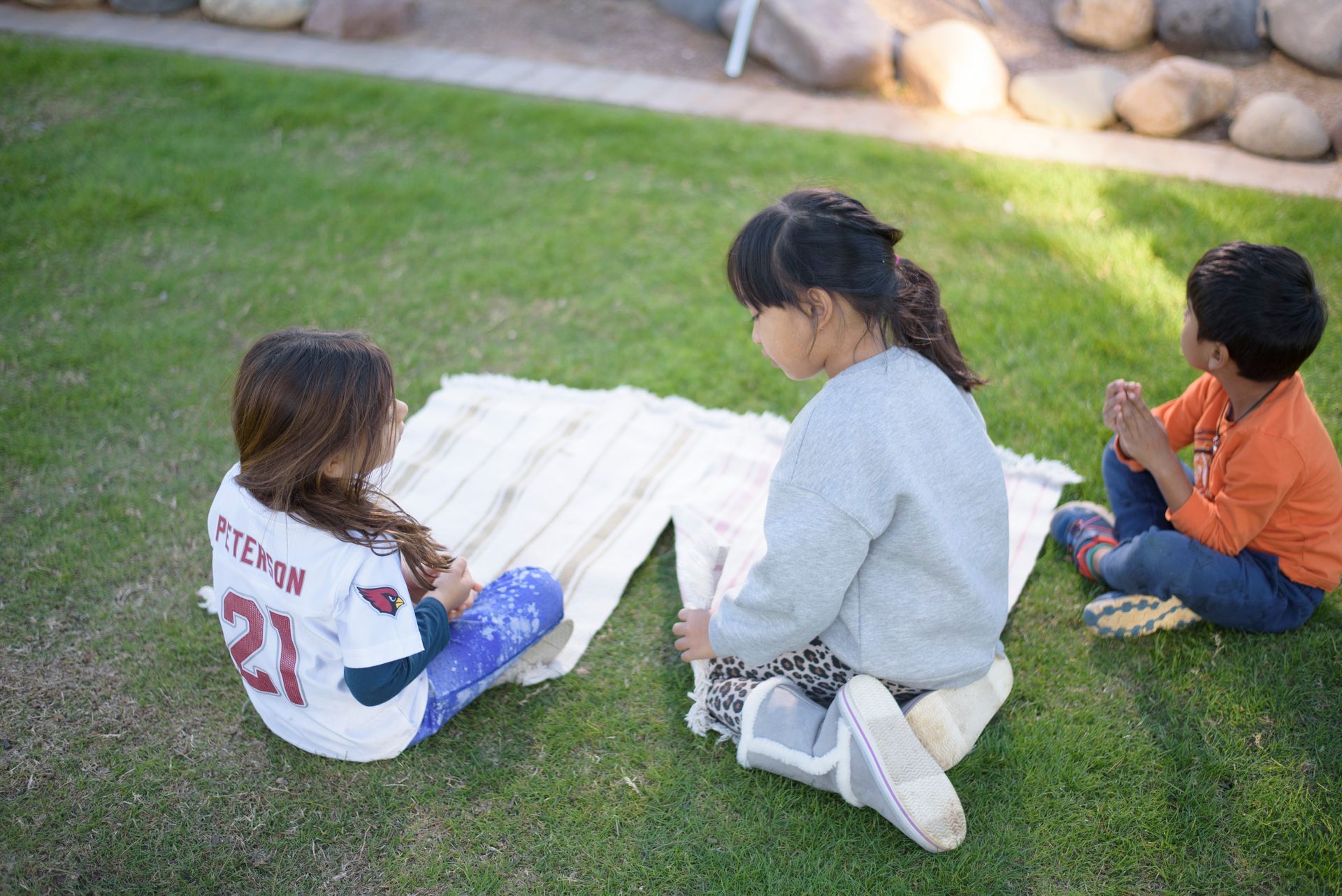
- Year 3: Flourishing and Leading. By their third year, children are the experts of their classroom. Their growth becomes visible and abundant. Having established deep roots and explored their boundaries, they blossom into confident leaders, mentors, and role models for their younger peers.
Evolving Roles in a Classroom "Family"
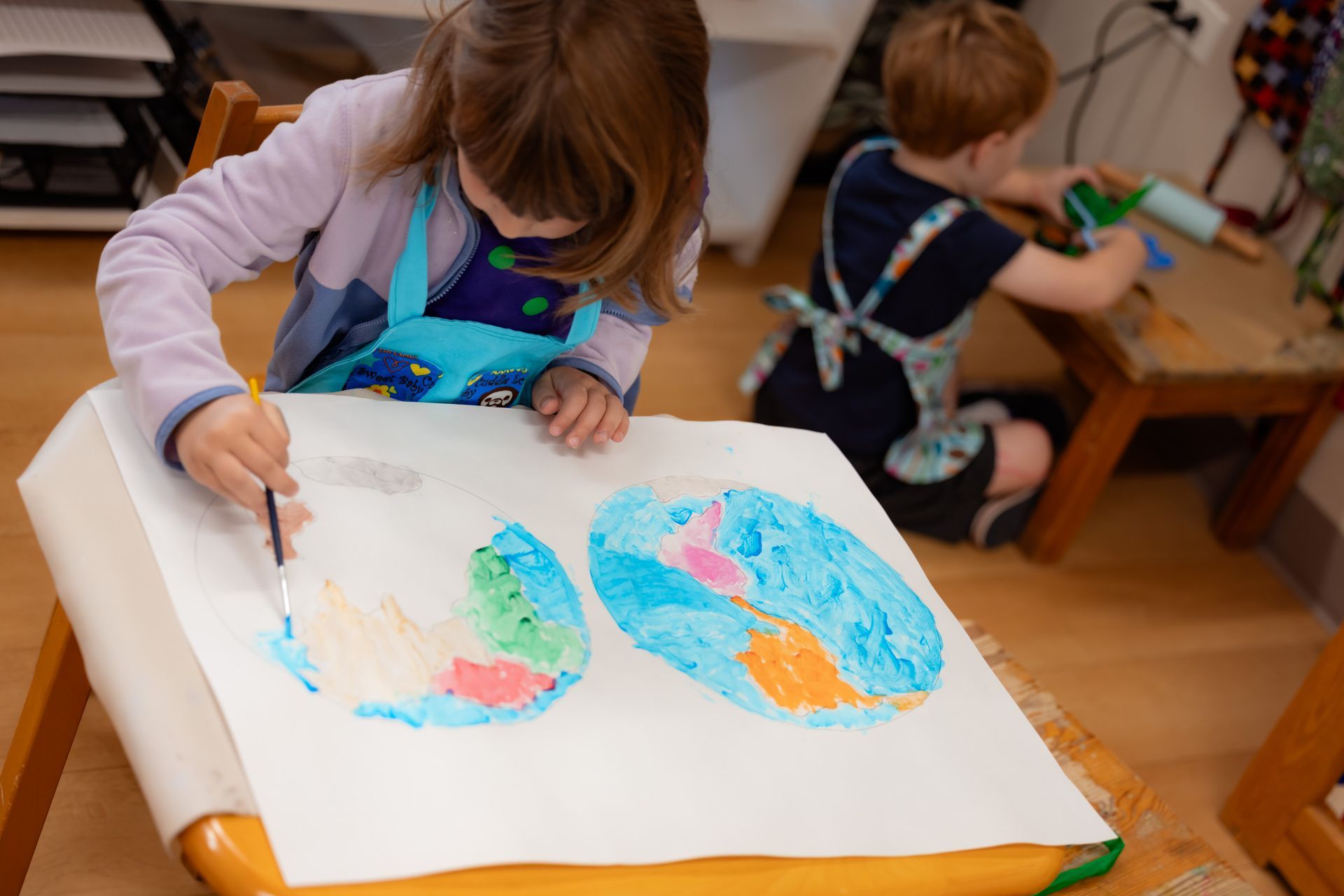
Because TMSOE students stay in the same environment with the same peers and guides for three years, the classroom naturally takes on the warmth and dynamic of an extended family. Over time, every child experiences the unique responsibilities and benefits of being the youngest, the middle, and the oldest child.
- Younger Students look up to older classmates. By observing older children working on advanced materials or navigating social conflicts peacefully, younger students absorb classroom expectations naturally and see what exciting learning lies ahead.
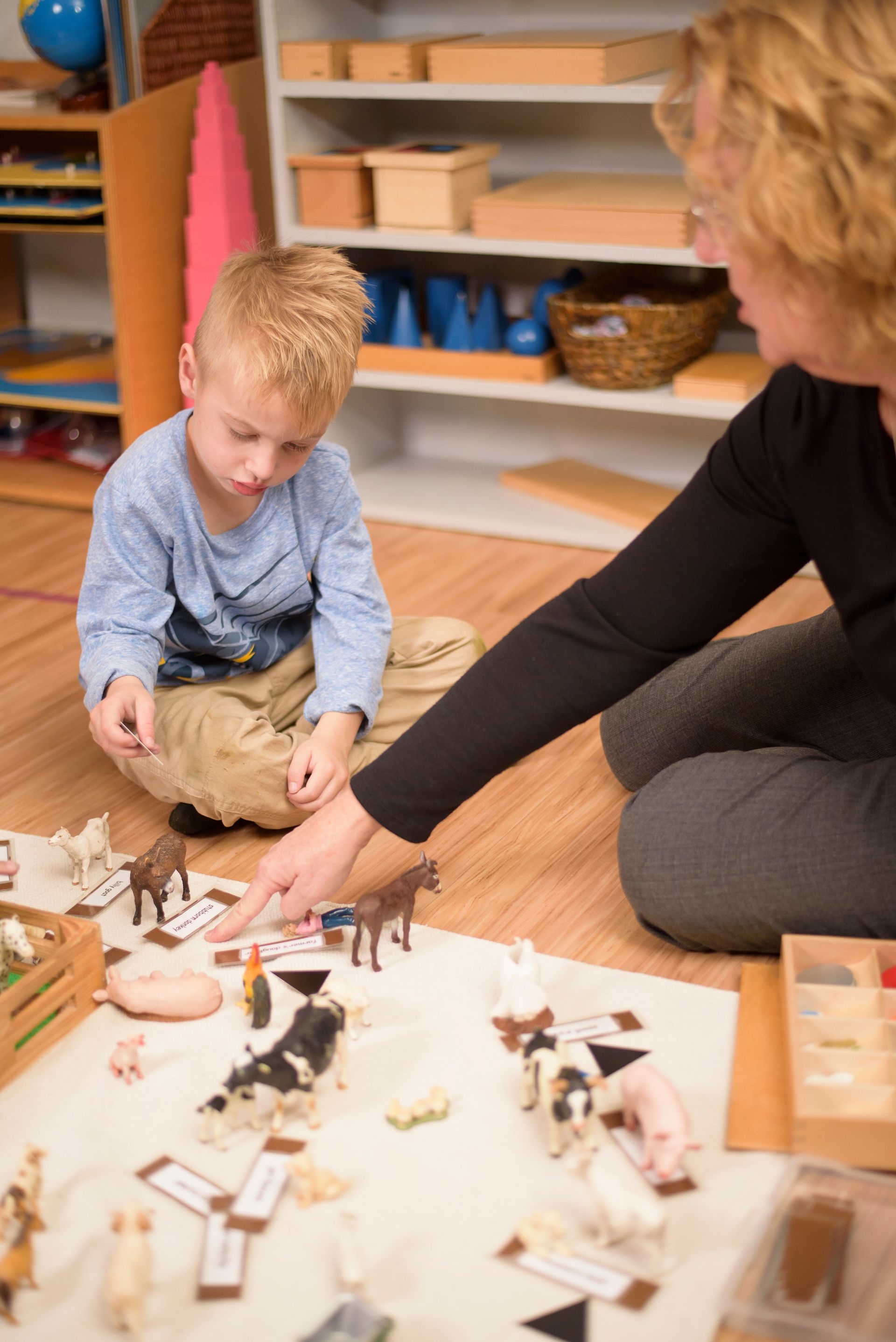
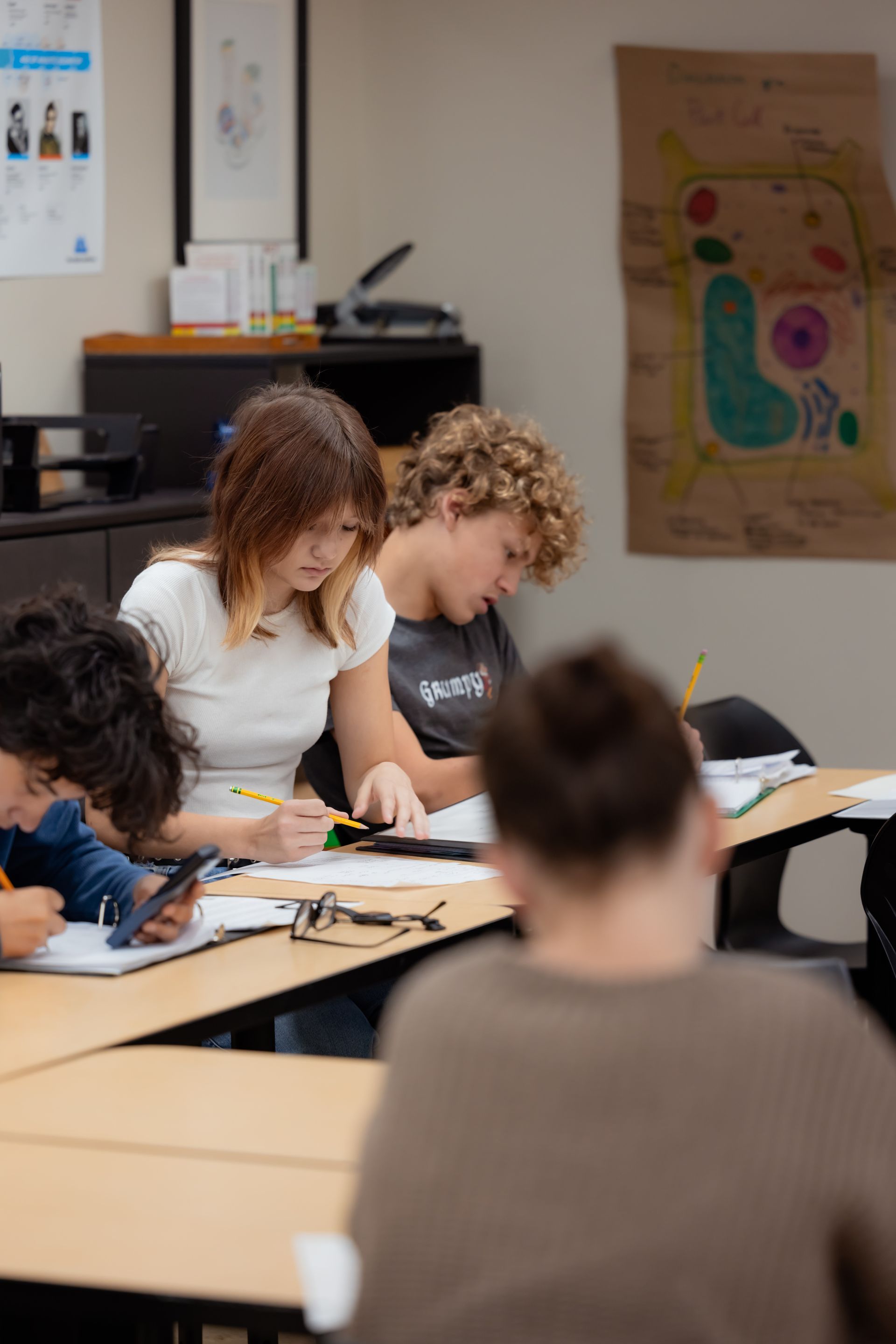
- Older Students serve as mentors and classroom leaders. When an older child helps a younger classmate master a material or solve a problem, they aren't just helping their peer—they are synthesizing and solidifying their own knowledge.
Through this collaborative environment, children move through a continuous loop of aspiration, self-confidence, and true mastery.
Consistency, Relationships, and Trust
Staying in one learning community for three years allows children, families, and guides to build deep, lasting relationships.
Montessori guides observe each child's unique learning style, strengths, and personal rhythms over a multi-year period. This deep familiarity allows teachers to tailor lessons precisely to the child, knowing exactly when to offer extra support and when to encourage them to step out of their comfort zone.
Equally important, the three-year cycle fosters a strong partnership between TMSOE educators and families. When parents and guides work together over several years, children feel a secure safety net that gives them the confidence to take risks in their learning and social development.
Learning in the "Zone of Proximal Development"
In educational psychology, the gap between what a child can do independently and what they can achieve with guidance from a skilled teacher or a more knowledgeable peer is called the Zone of Proximal Development (a concept introduced by psychologist Lev Vygotsky).
Our mixed-age classrooms are intentionally designed around this principle. With built-in social scaffolding from guides and older classmates, TMSOE students are constantly supported as they try new things, stretch their thinking, and practice new skills in a safe, culturally responsive environment.
Rooted in Englewood, Growing Together
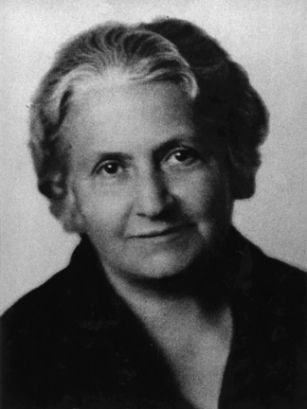
Dr. Maria Montessori designed her classrooms as micro-communities where children learn empathy, conflict resolution, mutual respect, and independence. At The Montessori School of Englewood, our three-year cycles ensure that every student has the time, space, and community support they need to establish deep roots—and ultimately flourish as leaders in their neighborhood and beyond.
Want to see the three-year cycle in action?
We welcome West Englewood families and community partners to visit our classrooms and witness our vibrant multi-age learning spaces firsthand.
Click here to schedule a tour at TMSOE or
contact our team to learn more about enrollment options for your child.