Nurturing Persistence and Choice in Children
“If persistence be the true foundation of the will, we nevertheless recognize decision as the act of the will par excellence.”
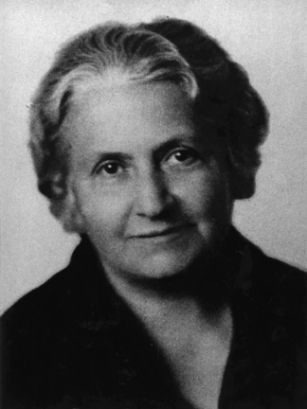
— Dr. Maria Montessori, Spontaneous Activity in Education
In this quote, Dr. Montessori reminds us that persistence is at the heart of character development. Today, we might call this steadiness and perseverance “grit.”
When children work through obstacles and remain committed to their chosen activity, they are not only building skills. They are forming the very foundation of their will.
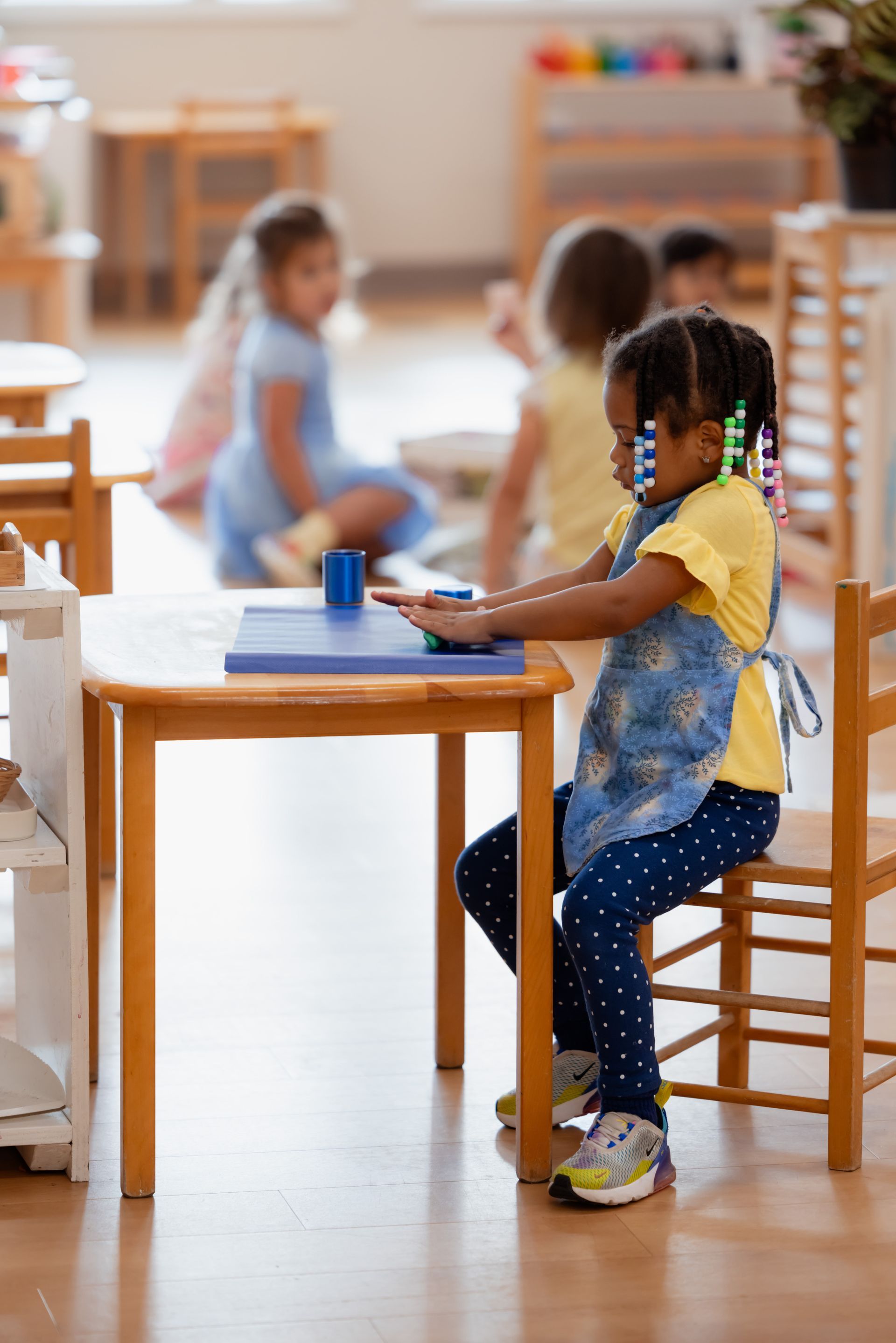
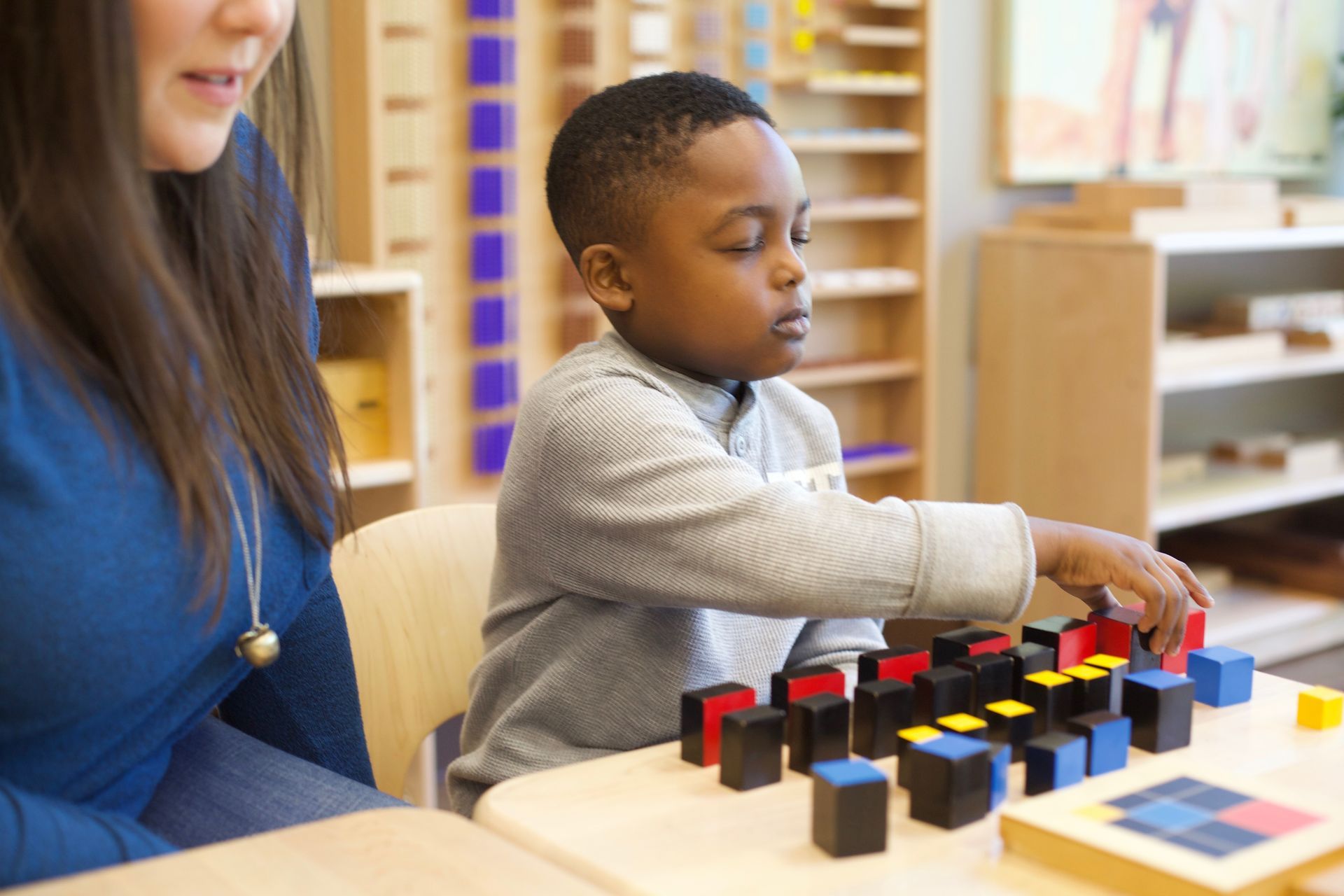
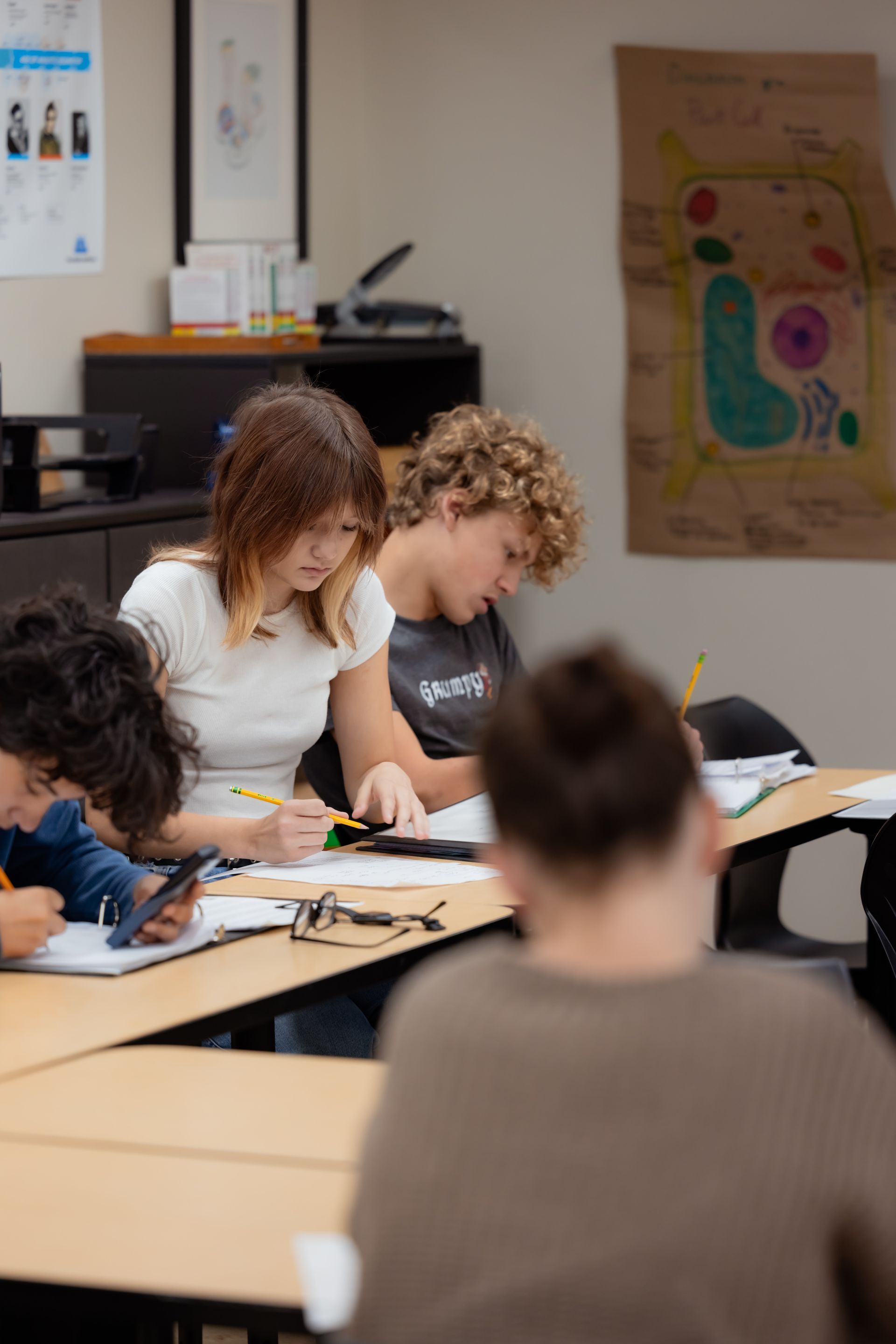
Take this typical scene from a Montessori classroom: a four-year-old works with decimal system materials, building four-digit numbers using beads and cards, staying with the activity for an extended period of time, repeating it again and again with intensity and focus. The child gives as much attention to the careful set-up and clean-up as to the work itself.
It’s easy to imagine this young person years later as a hard-working, thoughtful, responsible individual. The four-year-old’s persistence in that moment shapes the future self, strengthening the ability to act with purpose in life.
Decision: The Act of the Will
If persistence is the foundation of the will, decision is the act of the will. And every decision arises from choice. For children, the ability to make choices is essential. Just as movement cannot develop when children are kept immobile, the will cannot develop if children are never given the chance to choose.
Our entire life is a continual exercise of decisions. This ability to choose builds independence. When children cannot make their own decisions (or when they fear making the wrong one), they become dependent on others.
This is why choice is such an important part of the Montessori environment. We strengthen children’s will by continually offering opportunities to decide. The choices don’t have to be large ones. They can be woven gently into the day:
- Would you like to carry the tray or the mat?
- You may choose any table.
- Would you like to put the box or the pencil away first?
Each small decision helps strengthen the will.
Independence Through Choice
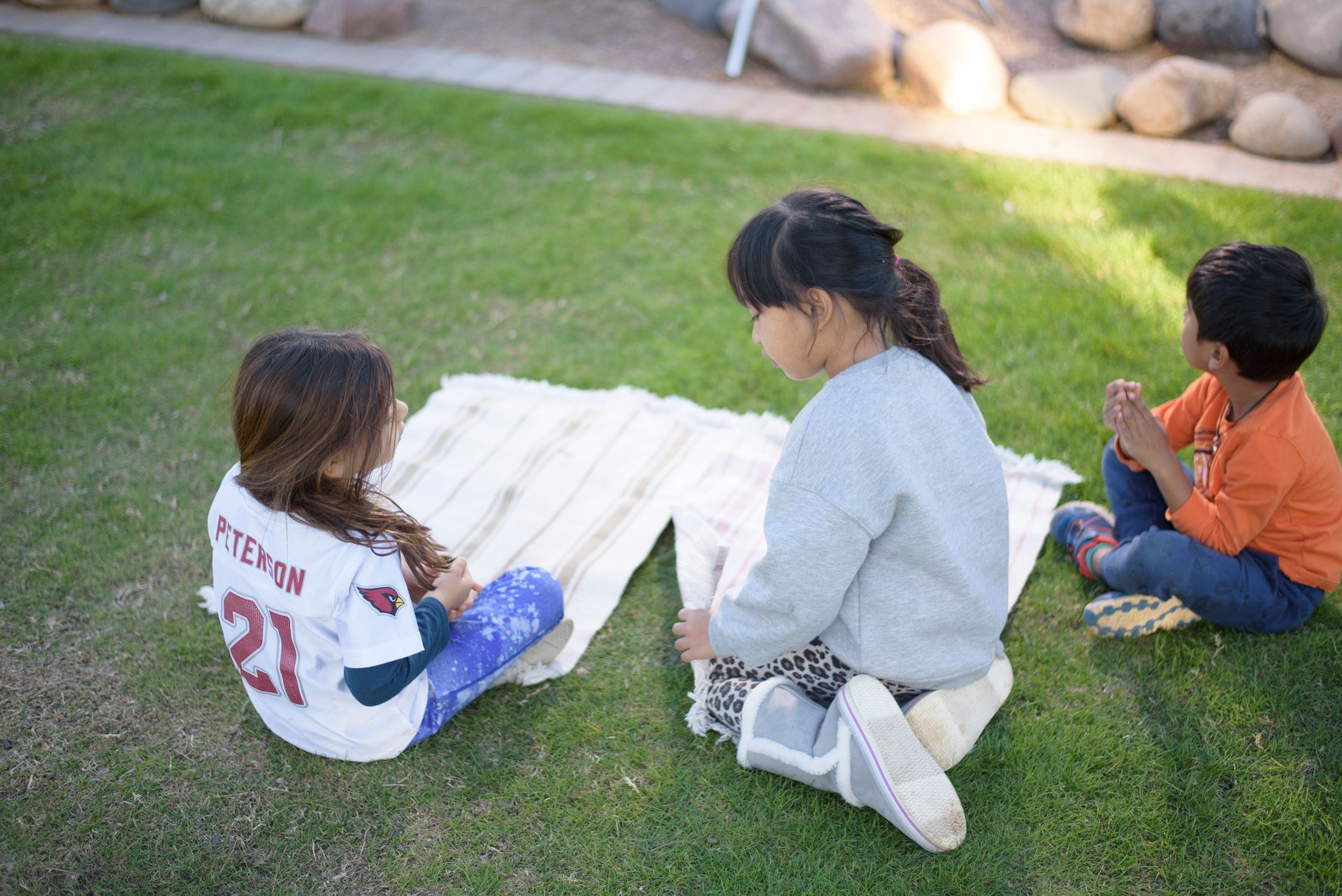
Every time children make a decision, they are practicing independence. They are learning to trust themselves instead of depending on the suggestions of others. They decide when to begin and when to finish, when to move and when to pause, when to be quiet and when to speak.
One of our jobs as adults is to ensure that we are giving children opportunities to practice using their will. Just as we don’t keep children motionless when they are learning how to crawl, cruise, walk, or run, we don’t want to impede children’s will when they are learning how to make choices and act upon their environment.
“And yet we do something of the same kind when, in order to educate the child’s ‘will,’ we first of all attempt to annihilate it, or, as we say, ‘break' it, and thus hamper the development of every factor of the will, substituting ourselves for the child in everything.”
— Dr. Maria Montessori, Spontaneous Activity in Education
This is a cautionary reminder for us as adults, as we can all too easily impose our will upon our children. This can happen in overt, overly controlling ways, or it can happen more subtly when adults do things for children rather than allowing them to practice making choices and experiencing consequences.
As Montessori parents and guides, our role is to protect this space for choice. By doing so, we are supporting children’s independence in the present, while also helping them build the persistence, decision-making, and strength of will that will guide them for life.
Curious to see how this works in a classroom? Schedule a tour here in Chicago!