Slow Down and Let Them Try: A Montessori Approach to Self-Care This Summer

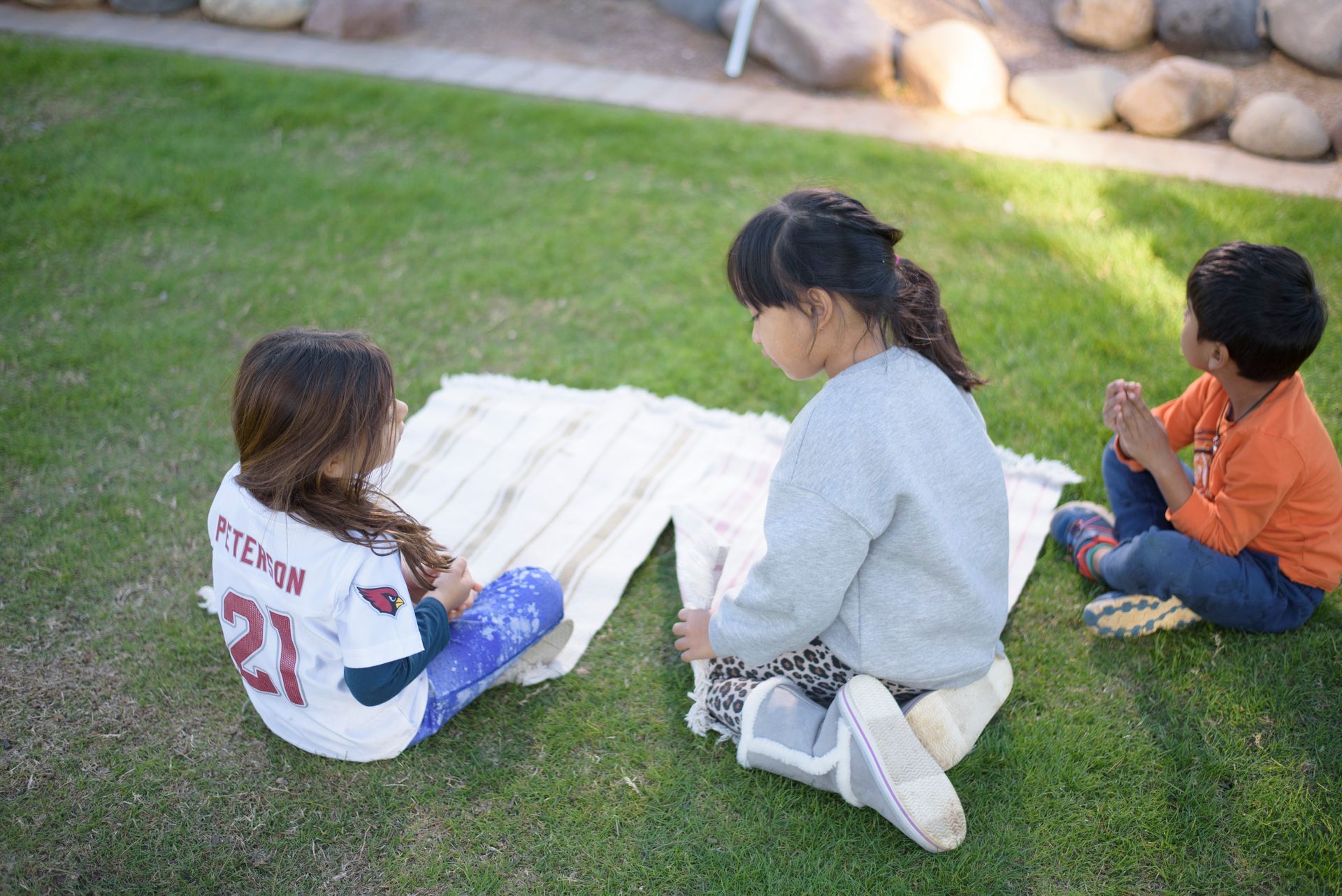
Summer has a rhythm that the school year rarely allows. Mornings without a clock ticking. Afternoons that stretch and meander. The unhurried pace of days that don't need to be anywhere quite so urgently. And tucked inside all of that spaciousness is one of the most valuable gifts the season can offer young children: time to do things for themselves.
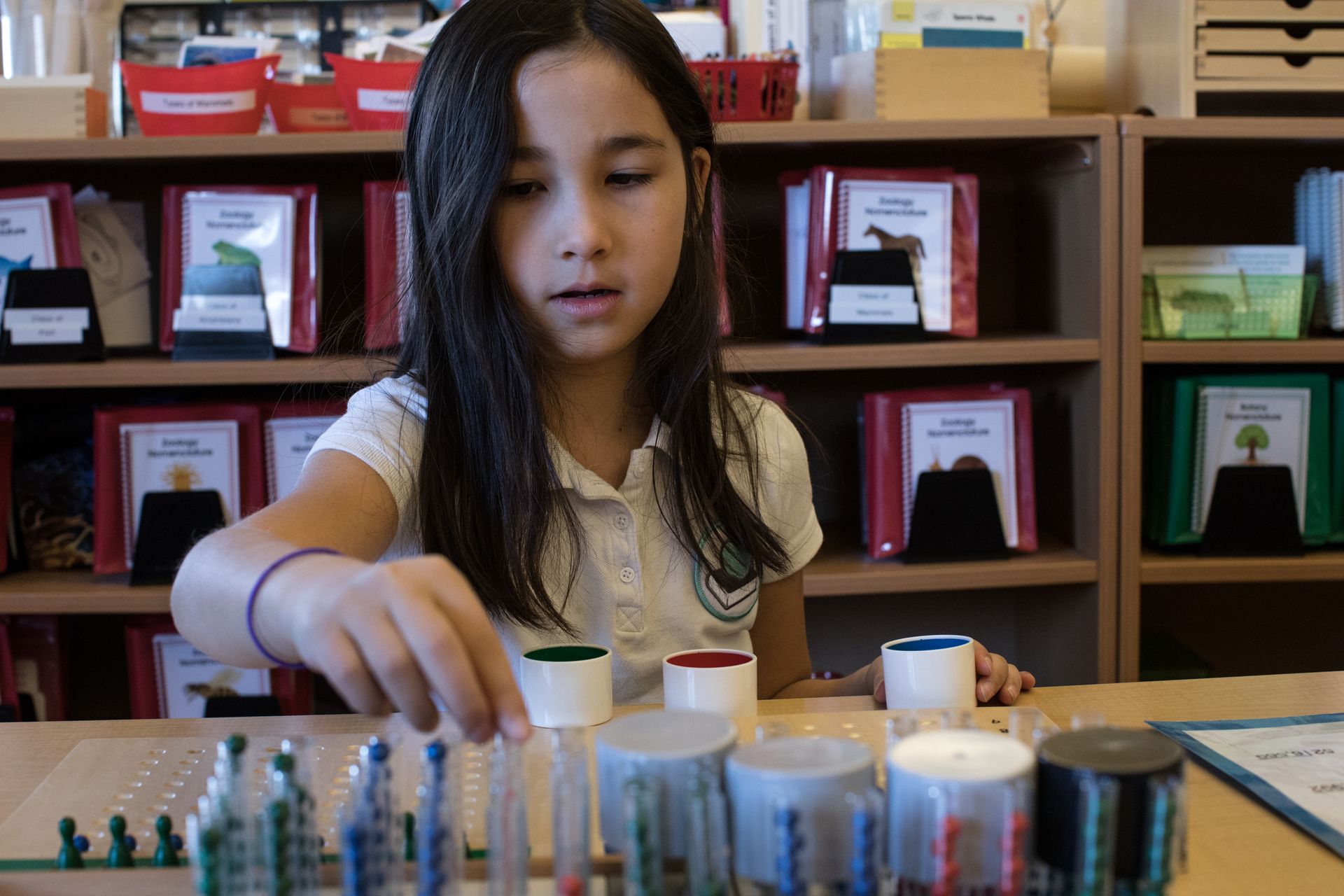
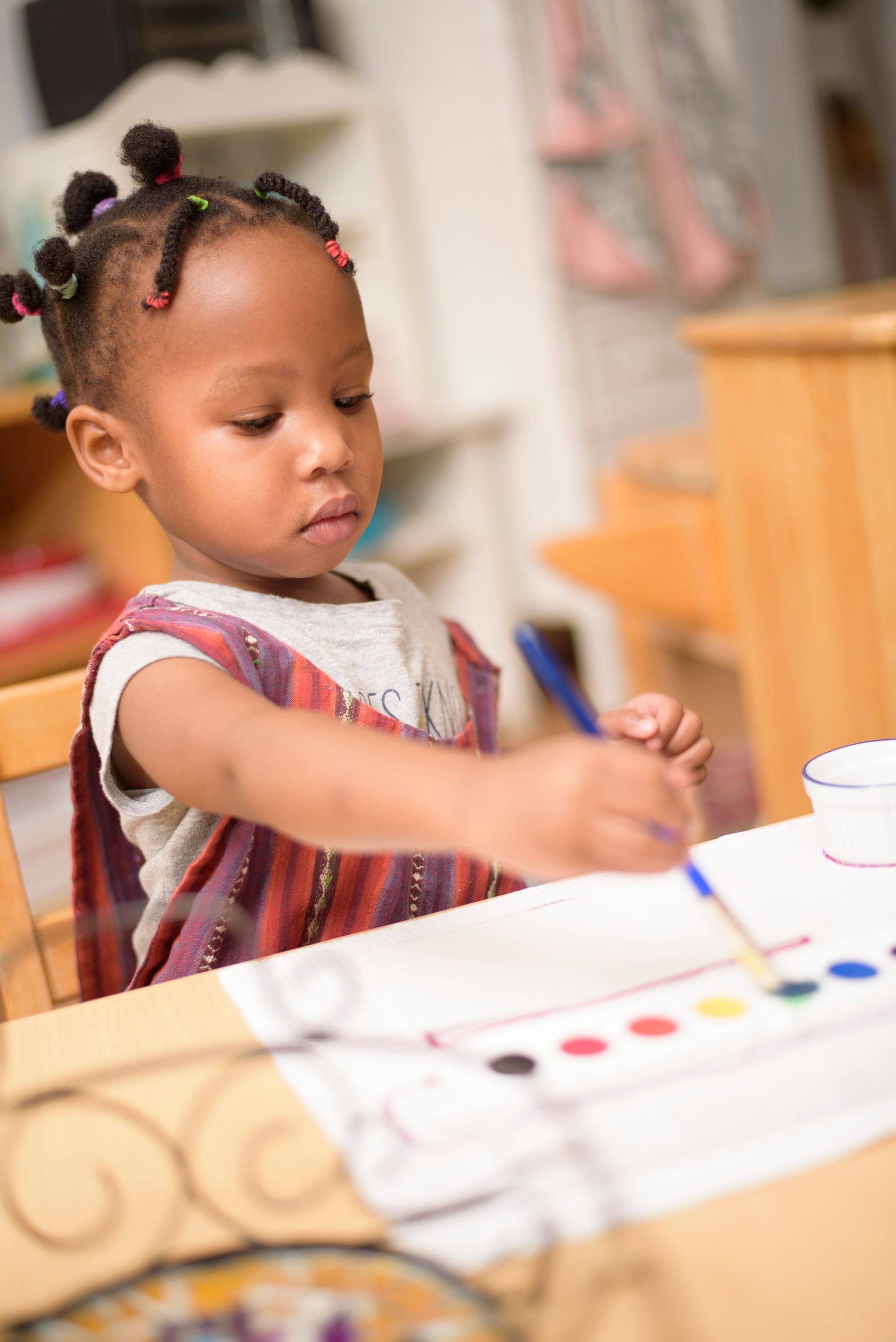
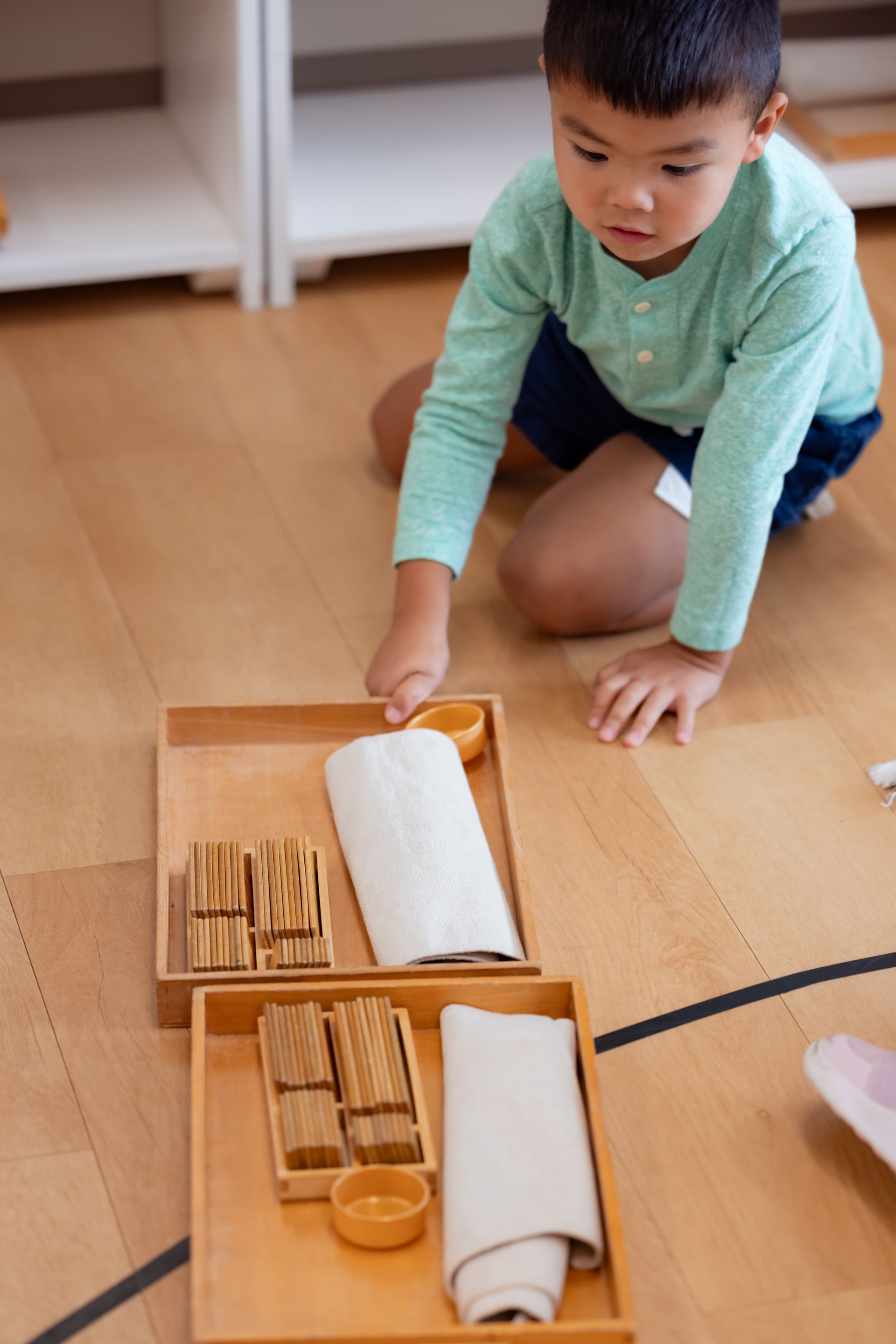
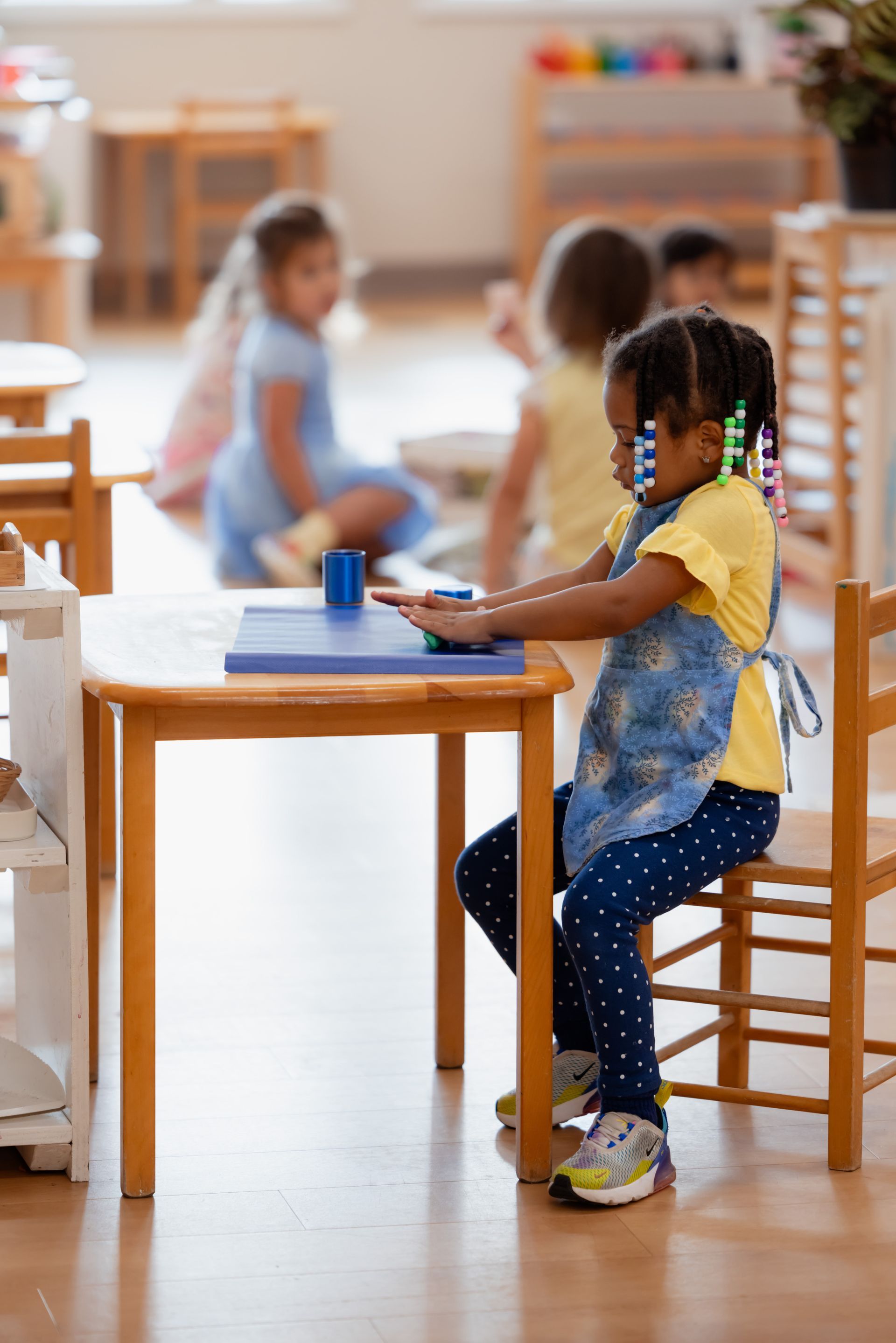
In Montessori, we don’t rush through the practical life activities that help children care for their own bodies: washing hands, dressing, brushing hair and teeth, wiping a nose, and putting shoes away. We don’t even think of these as chores because they are among the most important developmental work in our children’s early years. And summer, with its slower tempo, is the perfect season to lean into them.
Independence Is the Destination and the Journey
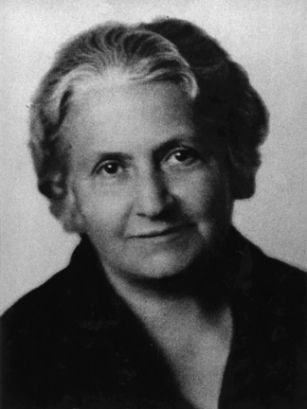
Dr. Montessori understood that, from the very first moments of life, children are moving toward independence. The newborn who moves toward the breast has already taken a first step. That milestone transforms the toddler who learns to walk: their hands are suddenly free, they can move toward or away from people and objects in their world, and they can begin actively shaping their own experience rather than merely absorbing it.
Every act of self-care that children learn to do for themselves is another step along this path. Not because independence is about doing things alone, but because the child who can care for their own body develops a sense of genuine capability, a trust in themselves, and a growing understanding of who they are as unique human beings.
As the Montessori principle goes: Help me to do it myself.
Collaboration Before Independence
One of the most important things to understand about supporting self-care in young children is that the path to independence moves through a collaborative process. Often, things go awry when we swing between getting caught up in instruction, resorting to doing something for them, or stepping back entirely before they are ready.
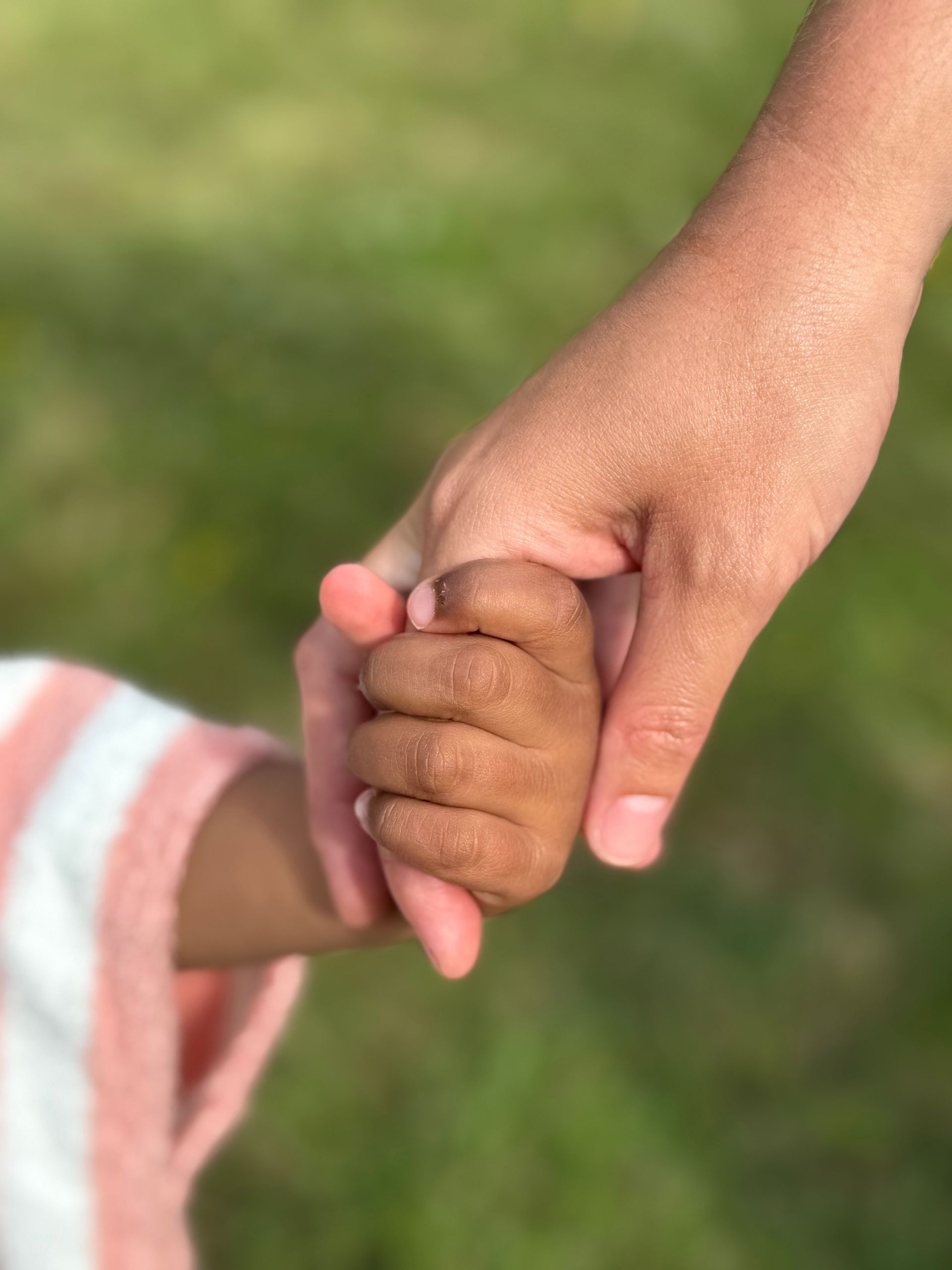
The progression looks something like this: first, we do the activity with or for the child, using gentleness and narration, so the child is always a participant, even before they can act. "I'm going to put on your shirt. Let's put your arm through the sleeve." Gradually, the adult and child do the activity together. Eventually, the child begins to imitate, then to do it in their own way, imperfectly, slowly, and with deep satisfaction.
This progression is not a straight line. There will be days when a child who has been dressing independently for weeks suddenly wants help again. This is entirely normal and simply calls for a gentle return to collaboration: "Let's do this together." Our goal is always to offer just enough support and no more. We want to find the balance between honoring children's need for assistance and protecting their emerging sense of capability.
What Summer Makes Possible
The school year, for all its richness, is often defined by time pressure. Mornings, especially, can become a sequence of things that need to happen faster than children can manage them independently. Shoes get put on by adults. Jackets get zipped by adults. Hair gets brushed quickly and without much ceremony.
During the summer months, there is often more space to let a three-year-old button their own shirt, however long it takes. There is time to stand back and watch a toddler figure out how to pull on their own socks. There is room for the unhurried back-and-forth of teaching a child to wash their hands properly, step by step, at a sink they can actually reach.
If we think of these moments as children’s real work, we can avoid getting caught up in the sense that the process isn’t efficient! This is a long-term game. Our children are building their abilities and their internal sense of capability.
Practical Suggestions for the Summer Months
Here are a few ideas for bringing the Montessori approach to self-care into your home this summer:
Set up the environment for success. Small adjustments allow children to manage their own needs without regularly needing adult assistance. Perhaps place a step stool at the bathroom sink. Provide low hooks for towels and clothing. Create a low shelf for children to store their belongings.
Choose clothing that supports independence. Elastic waistbands, velcro shoes, and loose-fitting shirts can be respectful of children's current physical abilities. Children who can dress themselves feel capable.
Narrate without taking over. When a child is struggling with a button or a zipper, resist the impulse to fix it immediately. Try instead: "You're working hard on that. Would you like to try once more, or would you like some help?" This keeps the child in the driver's seat of their own experience.
Begin with larger movements, then refine. Just as with any practical life work, self-care builds from the general to the specific. Children learn to pull a shirt over their head before they learn to fasten buttons. They learn to remove their shoes before they learn to tie them. Follow your child's current capacity and build from there.
Move without talking; talk without moving. This Montessori principle helps us demonstrate a self-care activity most effectively. When showing a child how to wash their hands, do it slowly and silently, so the movement is fully visible. Then, separately, use words to name the steps. Children often find it difficult to simultaneously track our narration and demonstration.
Self-Care Activities Worth Practicing This Summer
Consider the range of self-care activities appropriate for our children. Do they include undressing and dressing, hand washing, brushing hair, brushing teeth, wiping the nose, and caring for shoes? What else would your child benefit from learning how to master? Your child can practice these skills gradually as part of the natural rhythm of daily life.
There is no hurry. There is no single right timeline. What matters is the collaborative attitude that underlies each interaction. The adult and child are working together. We honor children's participation. Our goal is always to help children come to know what they are capable of.
The Deeper Meaning
Dr. Montessori was clear that the destination of this entire developmental arc, across all four planes of development, all the way to young adulthood, is a person who can provide for themselves, take responsibility for their own actions, plan for their own future, and perhaps even support others on their own path toward independence.
It begins here with a small person pulling on their own socks or learning to wash their own hands, and in a summer that is long enough and slow enough to let them try.
We hope your summer is full of these quiet, meaningful moments. If you would like to learn more about honoring children’s journey toward independence, please schedule a visit here in West Englewood, Chicago.